3 hr
Melbourne Museum Entry Ticket
- Entry ticket
- Mobile voucher
- Valid same day
- Free cancellation
Melbourne Museum Tickets — Reserved Entry & Guided Access
Forest under glass, a racehorse in repose.
Compare fares, pick the fit — all bookings are mobile-voucher and eligible for free cancellation where shown.
3 hr
3 hr 30 min
| Experience | Duration | Rating | Skip-the-line | Guide | Small group | Free cancel. | Price | |
|---|---|---|---|---|---|---|---|---|
|
Standard Entry
Most popular
Melbourne Museum Entry Ticket
|
3 hr | ★ 4.7 | — | — | — | ✓ | €11 | Book → |
|
Standard Entry
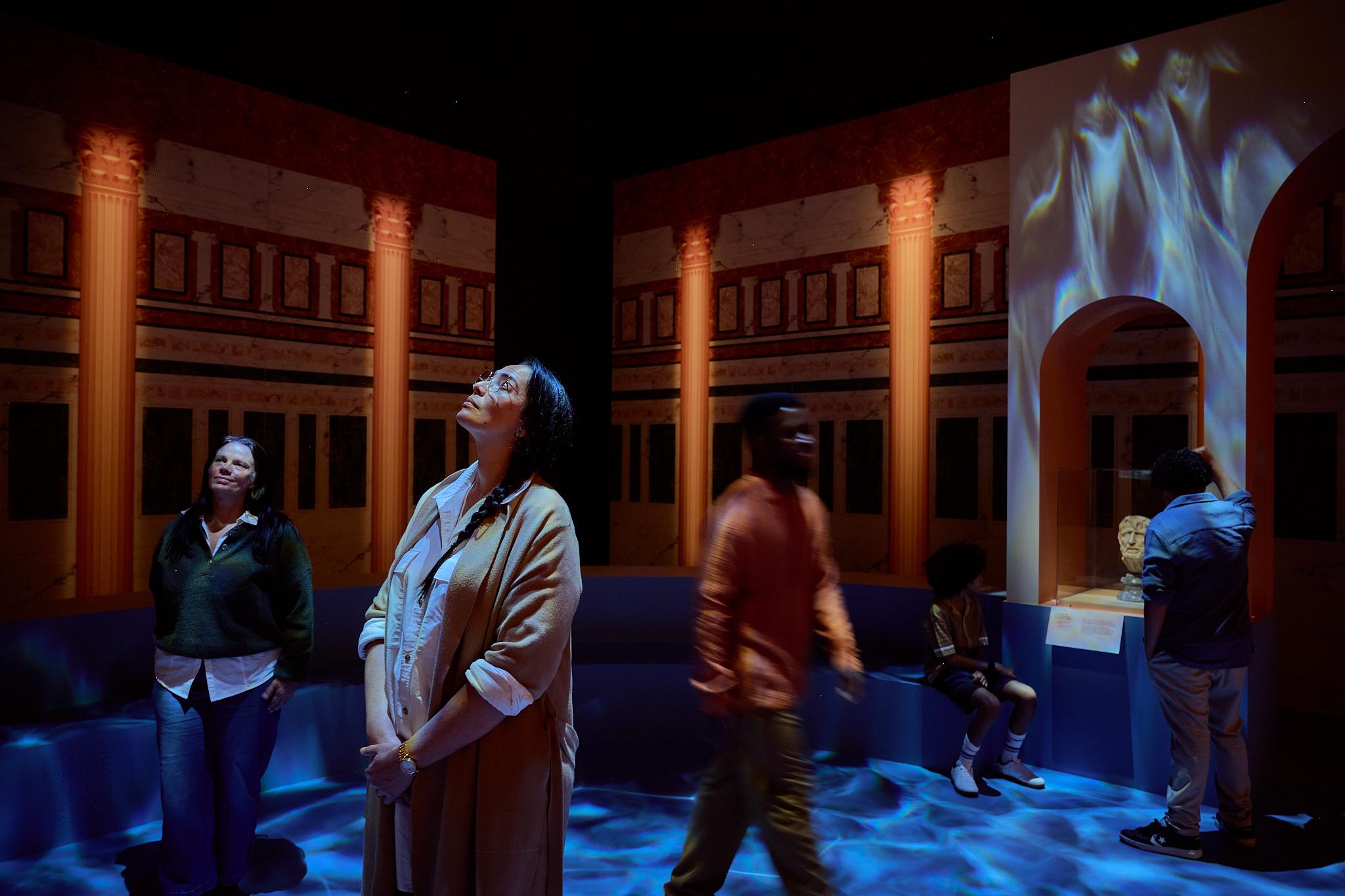
Melbourne Museum: Ancient Rome Exhibition Entry Ticket
|
Flexible entry | ★ 4.8 | — | — | — | ✓ | €24 | Book → |
|
Guided Experience
Melbourne City Highlights Small-Group Bus Tour
|
3 hr 30 min | ★ 4.7 | ✓ | ✓ | ✓ | ✓ | €55 | Book → |
Worth it — one of Melbourne's better-value institutions
Melbourne Museum Tickets cost 18 AUD for a standard adult, and that single fee opens the permanent collections rather than a single wing. You get the dinosaur and megafauna halls, Bunjilaka Aboriginal Cultural Centre, the living Forest Gallery with its Victorian temperate rainforest planting, the Melbourne Story social history displays, and Phar Lap. Across a typical 2.5 to 4 hour visit that works out near 5 AUD an hour, which undercuts most paid attractions in the city. The value tilts further for families: children 16 and under enter free, and concession holders do too, so a couple with kids pays 36 AUD total. Where the maths changes is temporary exhibitions, which usually carry a separate charge on top. Self-guided visitors get the most out of it; anyone expecting curated Melbourne Museum Tickets tours or a scripted route will find the offering thinner than the ticket price suggests.
Bottom line: At 18 AUD for a self-guided half-day, Melbourne Museum Tickets tickets return more per dollar than almost anything else in Carlton — just budget separately if a temporary exhibition is the draw.
Both sit under Museums Victoria, but they answer different questions: book Melbourne Museum Tickets for dinosaurs, First Peoples culture, and a live rainforest under one roof, and add Scienceworks only if hands-on physics and a planetarium fit your itinerary.
|
Top pick Melbourne Museum |
Scienceworks | |
|---|---|---|
| Core focus | Natural and cultural history | Hands-on science and technology |
| Best for ages | All ages, strong for teens/adults | Young kids through early teens |
| Signature exhibits | Dinosaur Walk, Bunjilaka, Forest Gallery | Sportsworks, Planetarium, Lightning Room |
| Travel time from CBD | 10 minutes by tram | 20-25 minutes by train to Spotswood |
| Typical visit length | 2-3 hours | 2-4 hours |
| Combo ticket availability | ✓ Museums Victoria multi-venue passes | ✓ Museums Victoria multi-venue passes |
| See tickets & prices |
Verdict: Families chasing a broader Melbourne museum tour often pair both, but if you can only pick one, Melbourne Museum's central Carlton location makes it the easier add-on to a CBD day.
Hand-picked experiences loved by thousands of travelers
Flexible - visit at your own pace
Free Cancellation
Skip the guesswork and dive into 12 immersive zones of marine wonder on the Yarra River.
1-2 hours
Free Cancellation
88 floors up, a glass Edge, VR time travel, and a bar with a view — Melbourne from every angle.
1 hour
Free Cancellation
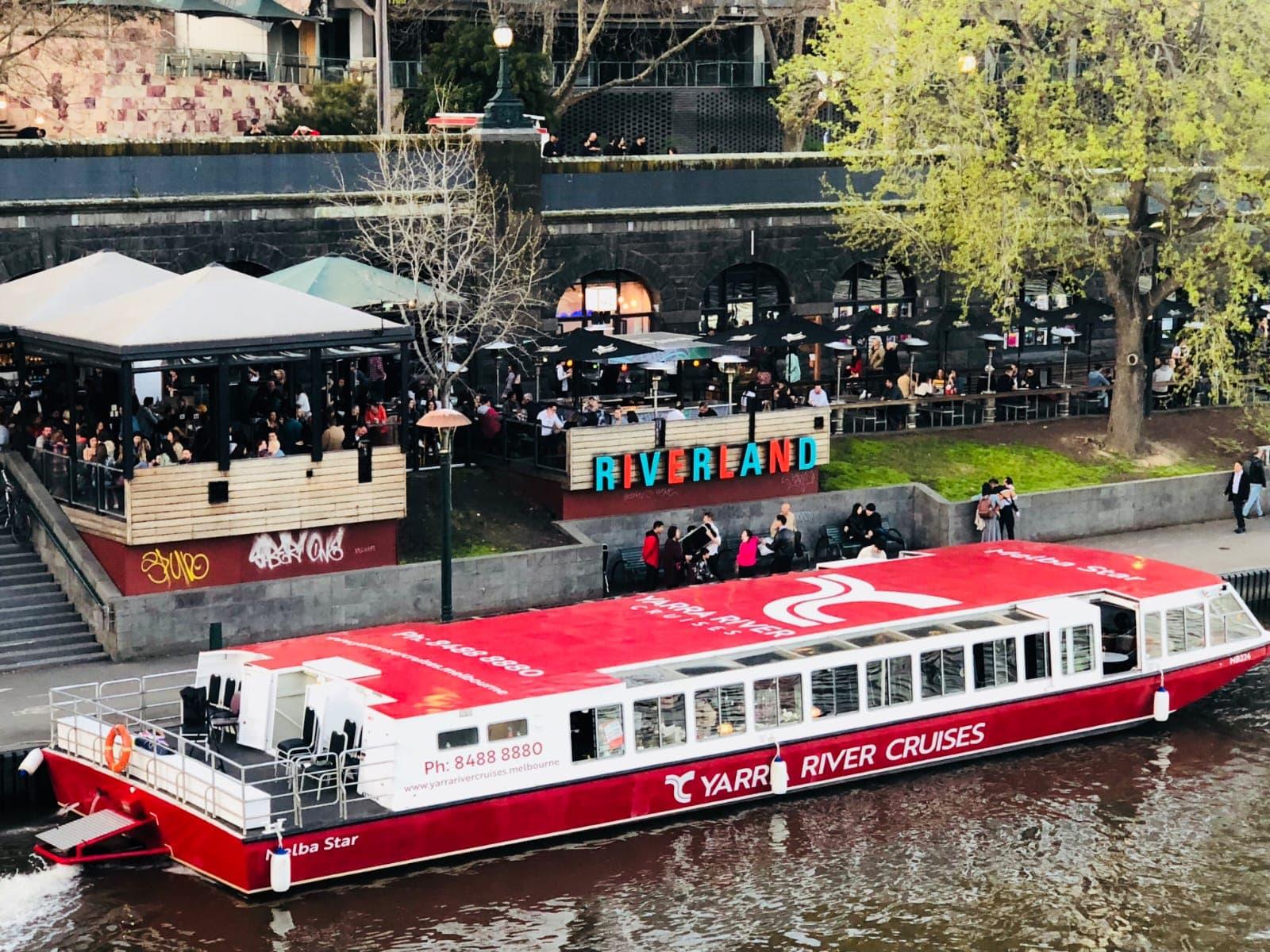
A relaxed 1-hour cruise along the Yarra, gliding past Melbourne's skyline with live commentary.
12 hours
Free Cancellation
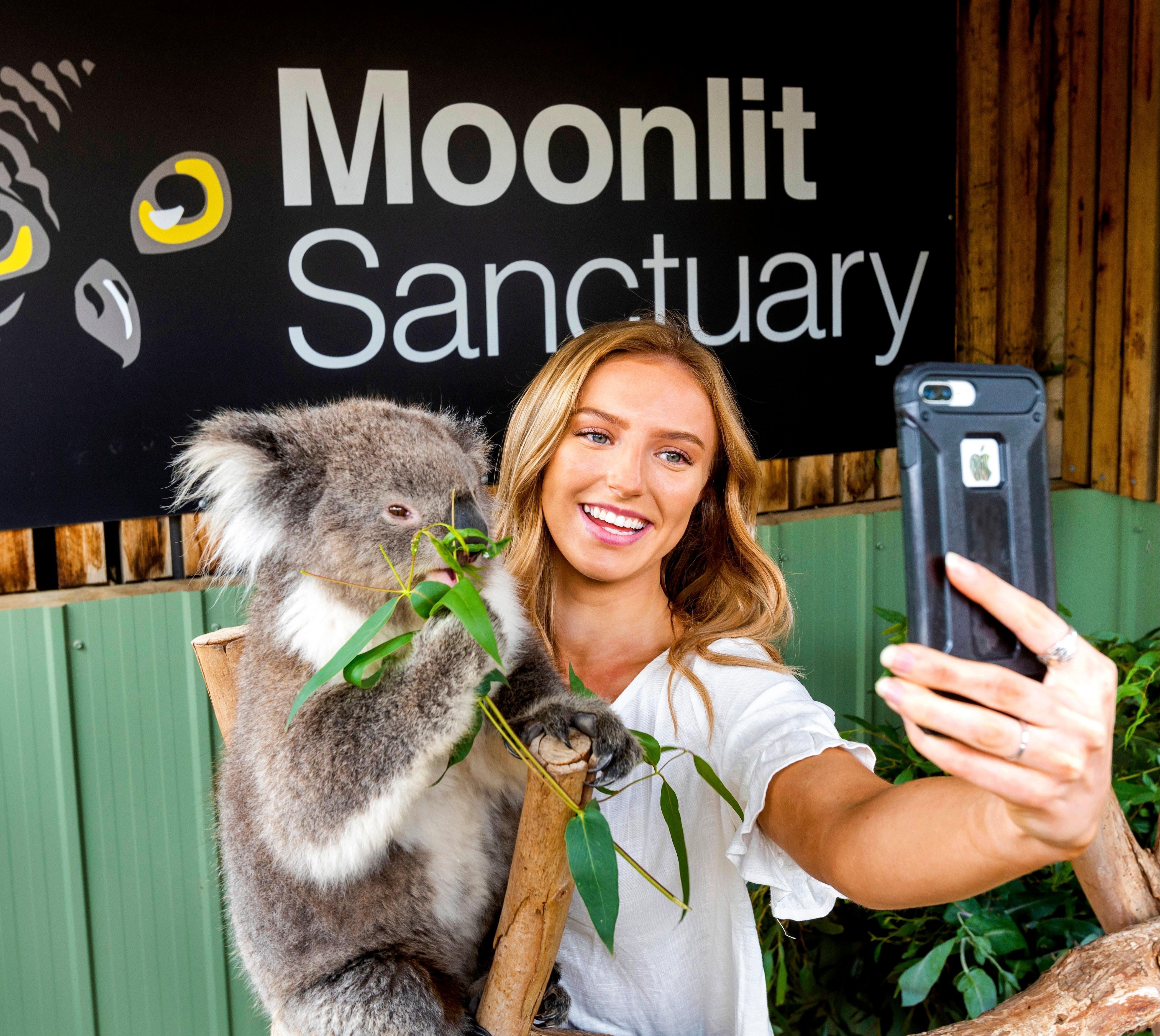
Full-day trip to Phillip Island: koalas, wild coastline, and the famous sunset Penguin Parade.
12 - 13 hours
Free Cancellation
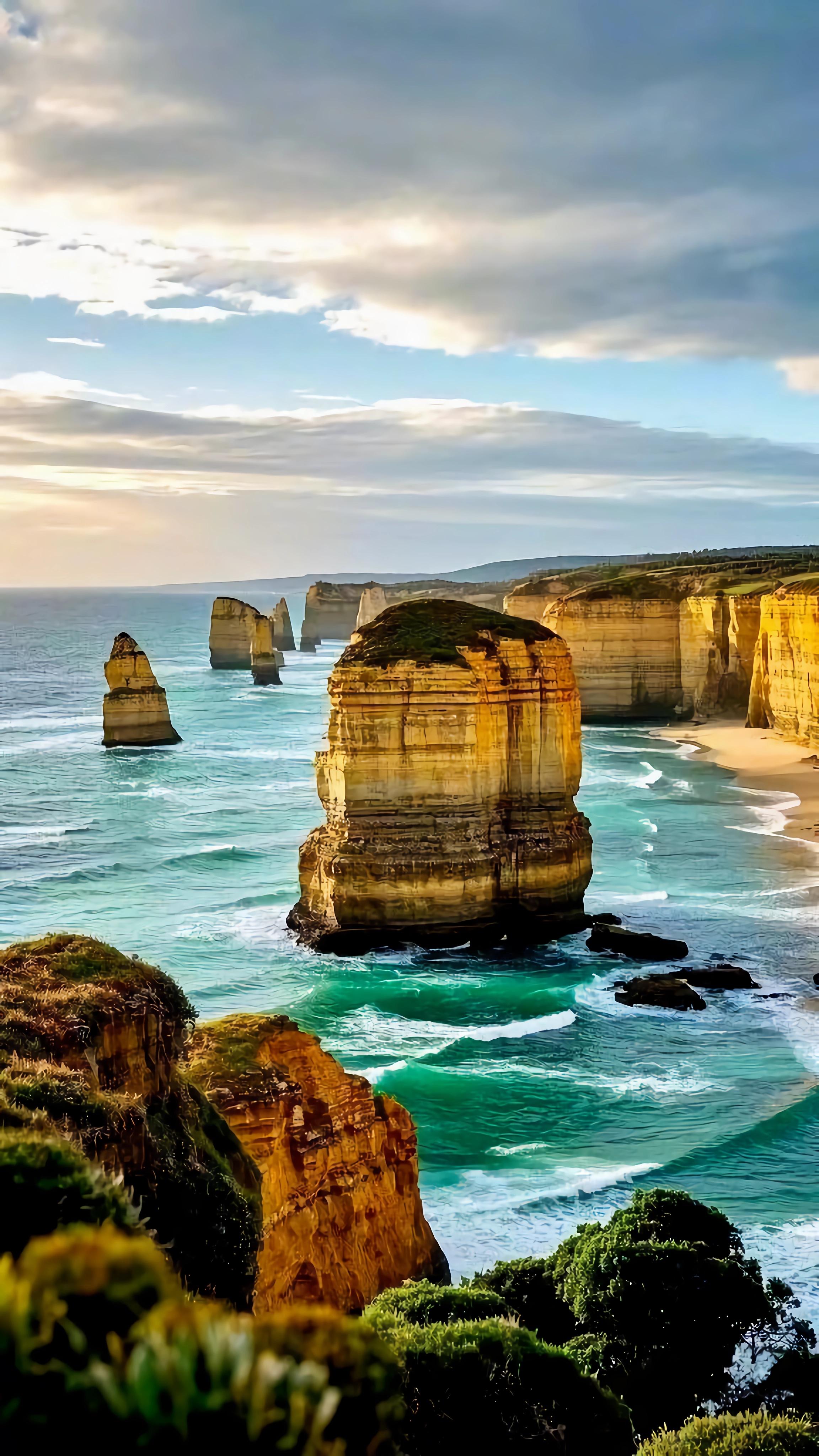
A 12-13 hour reverse-route journey through 10 iconic coastal stops, wildlife and rainforest.
3 hours
Free Cancellation
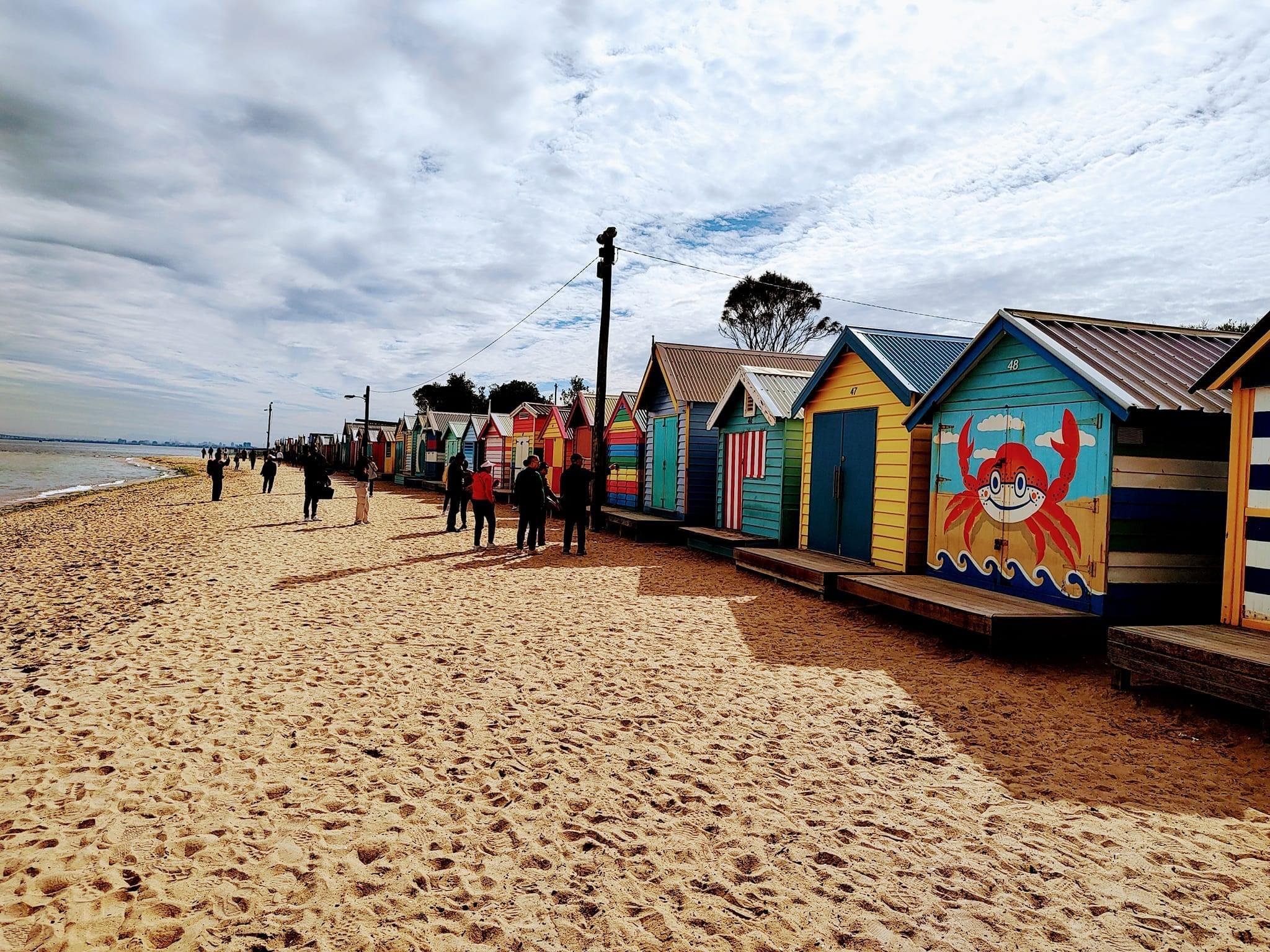
3-hour small-group drive through Melbourne's grand old streets and the colorful Brighton Beach Boxes.
7 hours
Free Cancellation
Private chauffeured tour of Melbourne's top landmarks, markets, beaches and gardens in comfort.
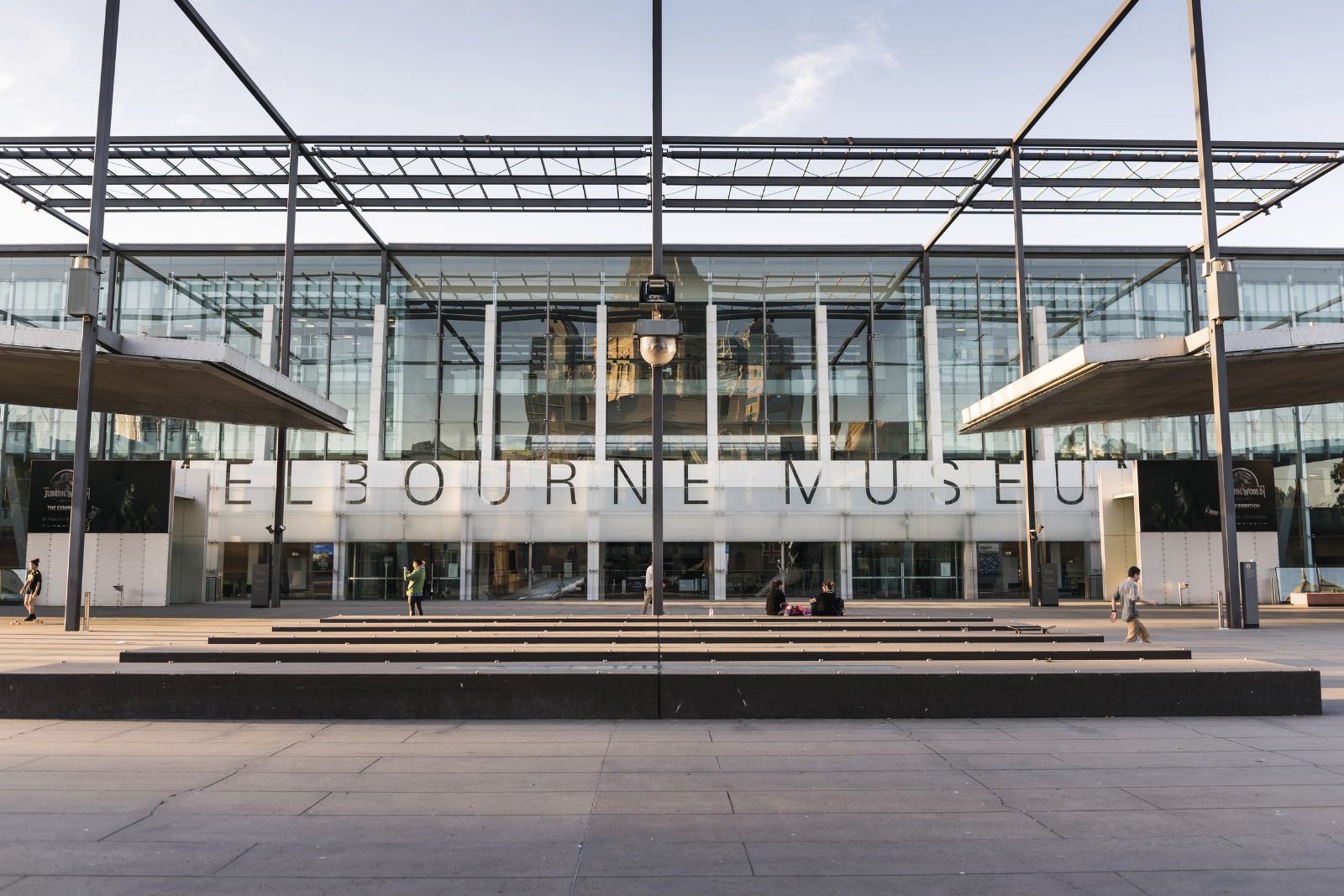
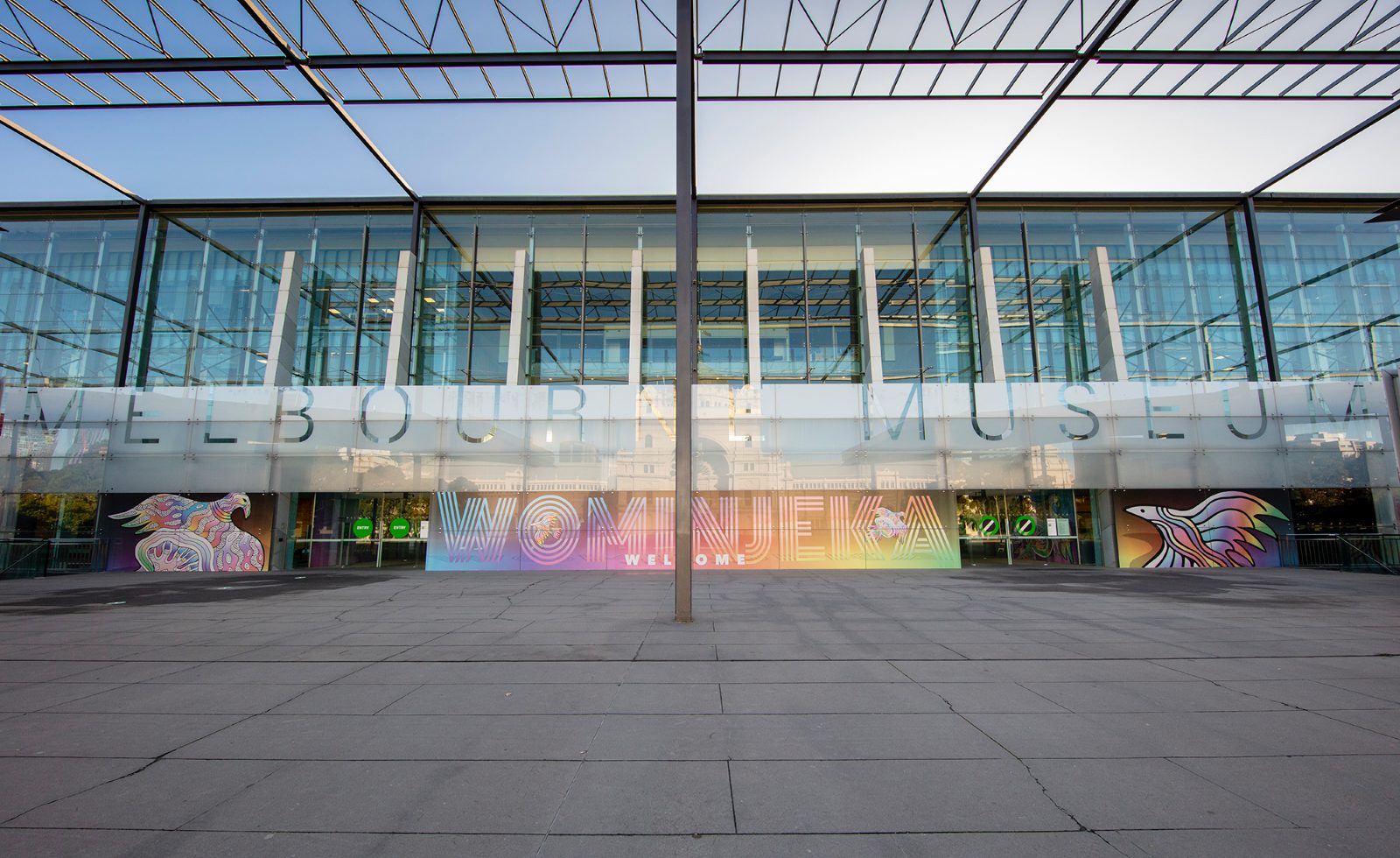
Enter via the Nicholson Street foyer and validate Melbourne Museum Tickets at the scanners before heading upstairs or to ground-floor galleries.
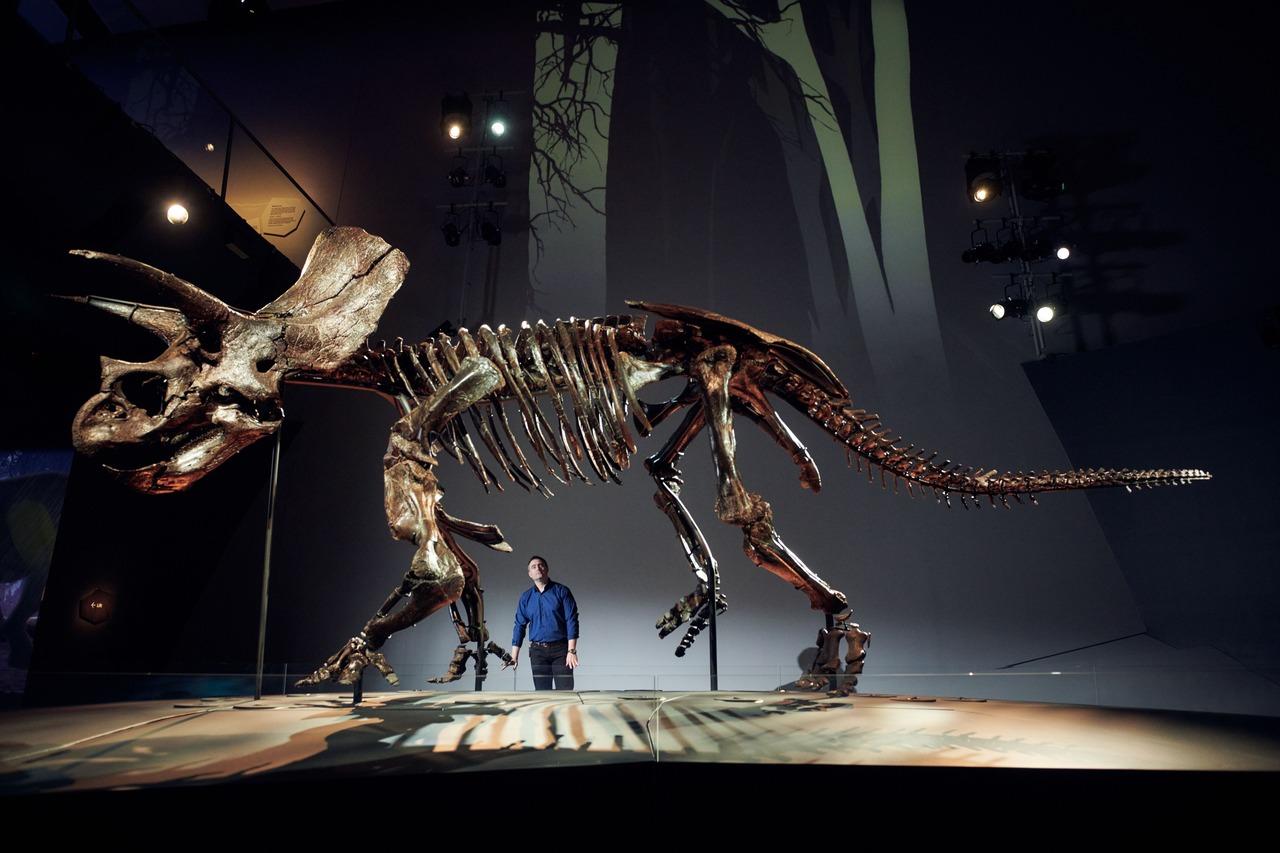
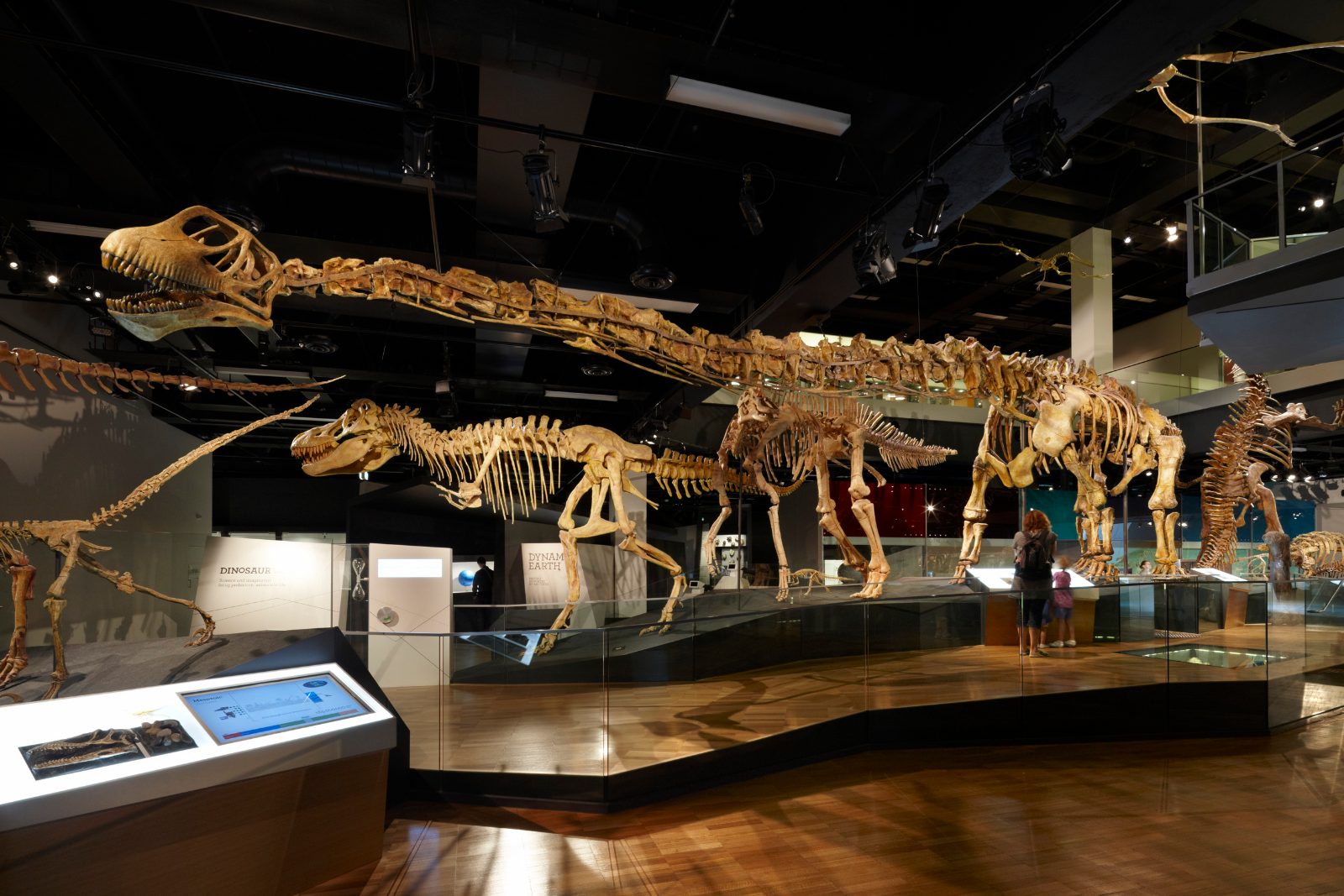
Walk the fossil displays including the Triceratops skeleton near the ground-floor entrance before crowds build.
Cross the indoor rainforest atrium with live birds and reptiles under a glass canopy.
Explore First Peoples exhibitions and oral history displays on the ground floor.
View the taxidermied Phar Lap and city history displays on the upper level.
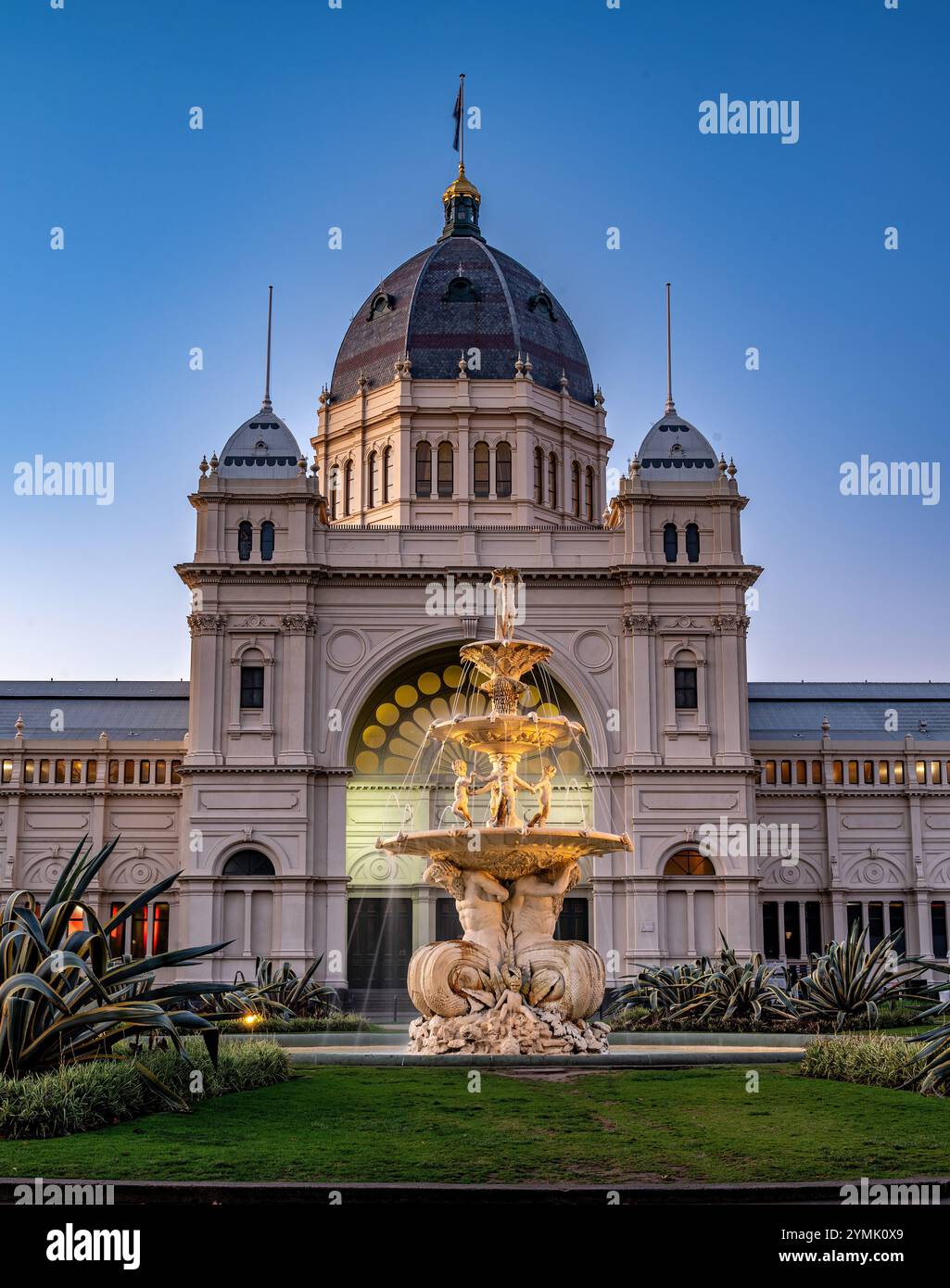
Finish with a walk through the surrounding gardens toward the Royal Exhibition Building.
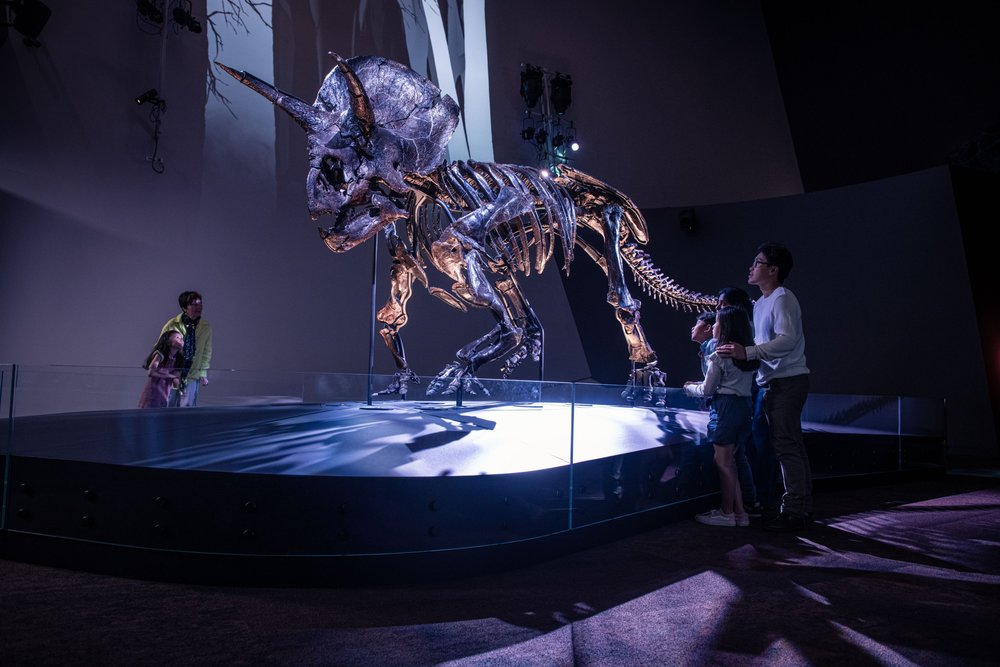
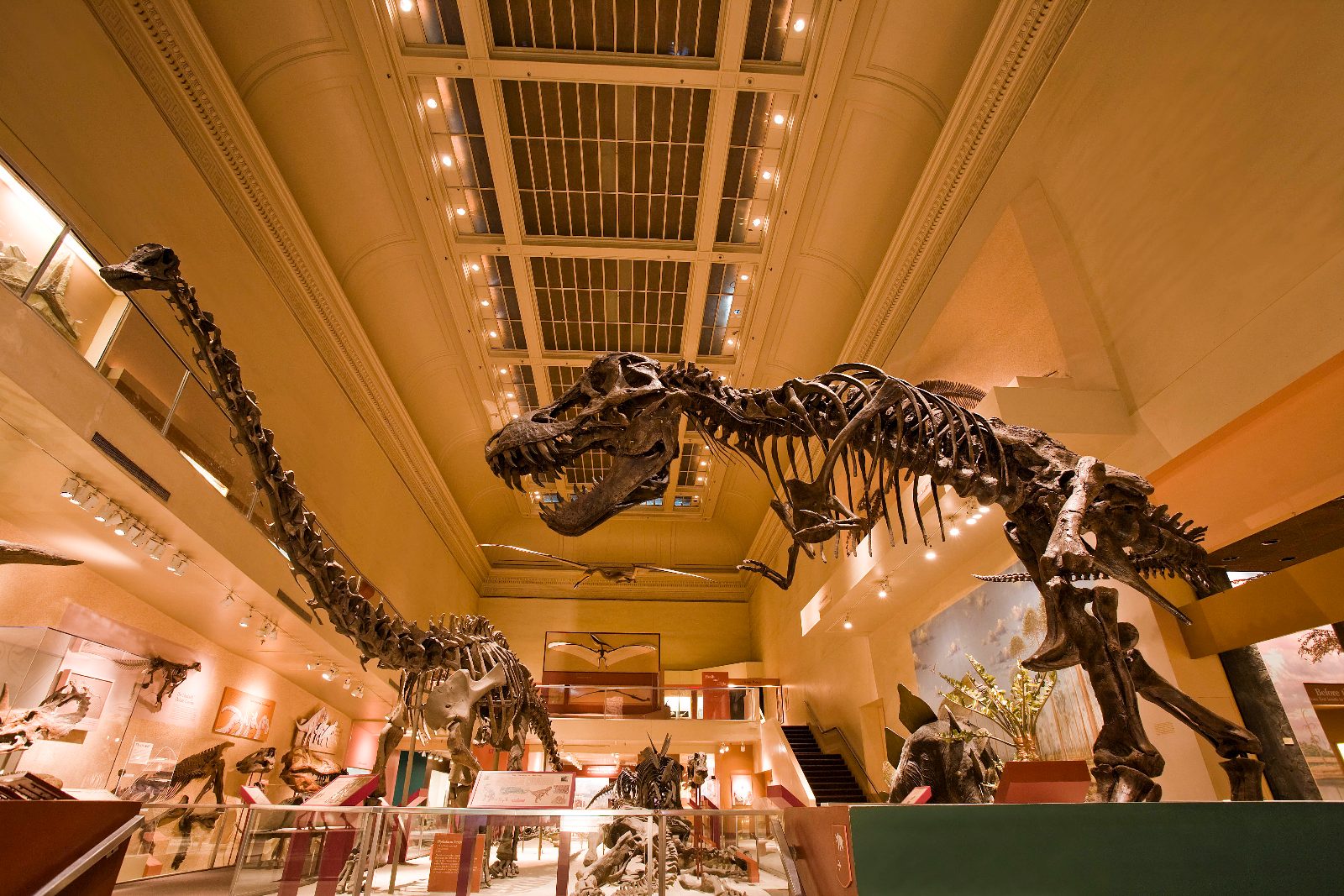
A ground-floor gallery displaying mounted dinosaur skeletons and fossil casts near the main entrance, including a Triceratops skull cast that draws young visitors first. The gallery traces prehistoric Australian and international finds across roughly 250 million years of fossil record.
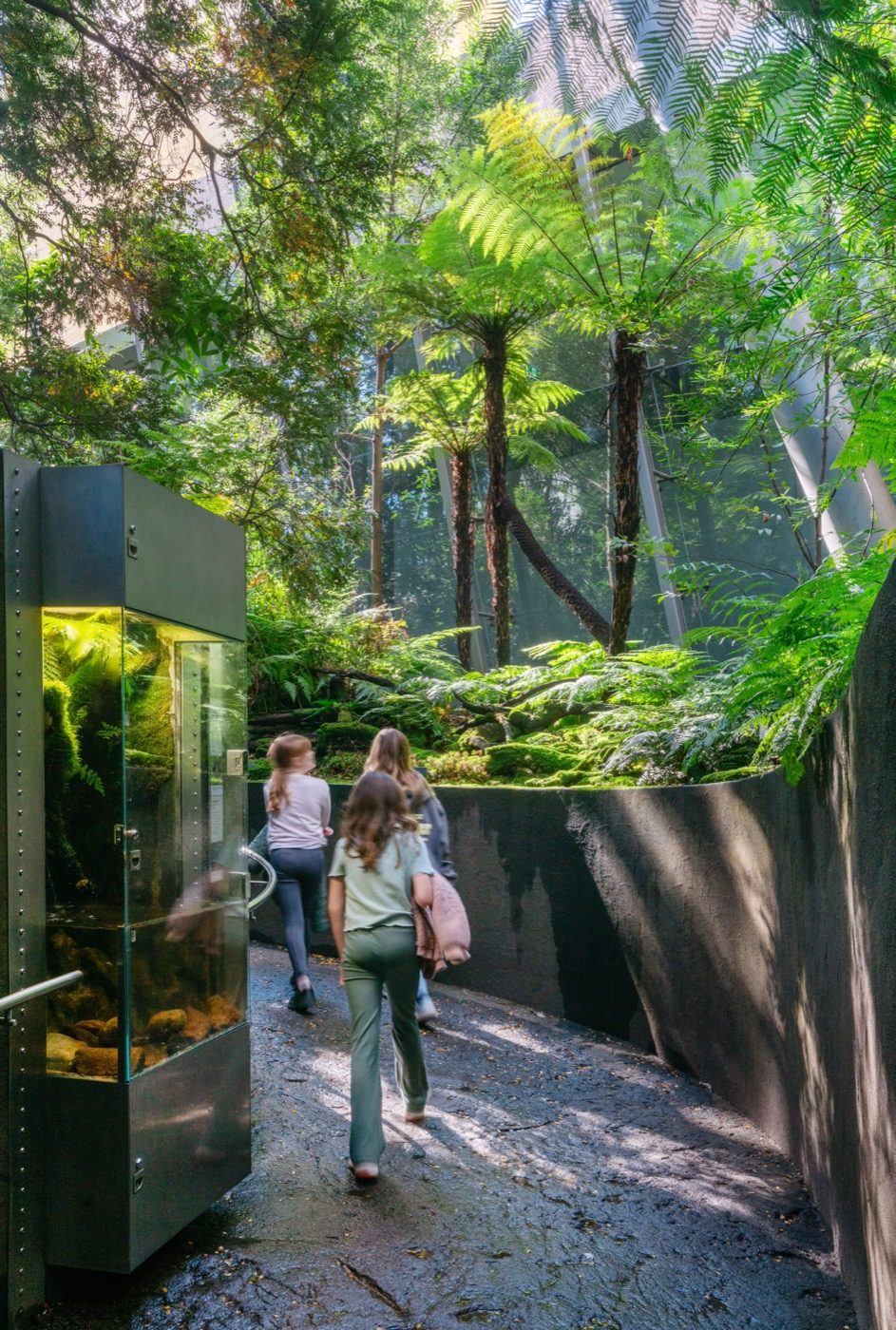
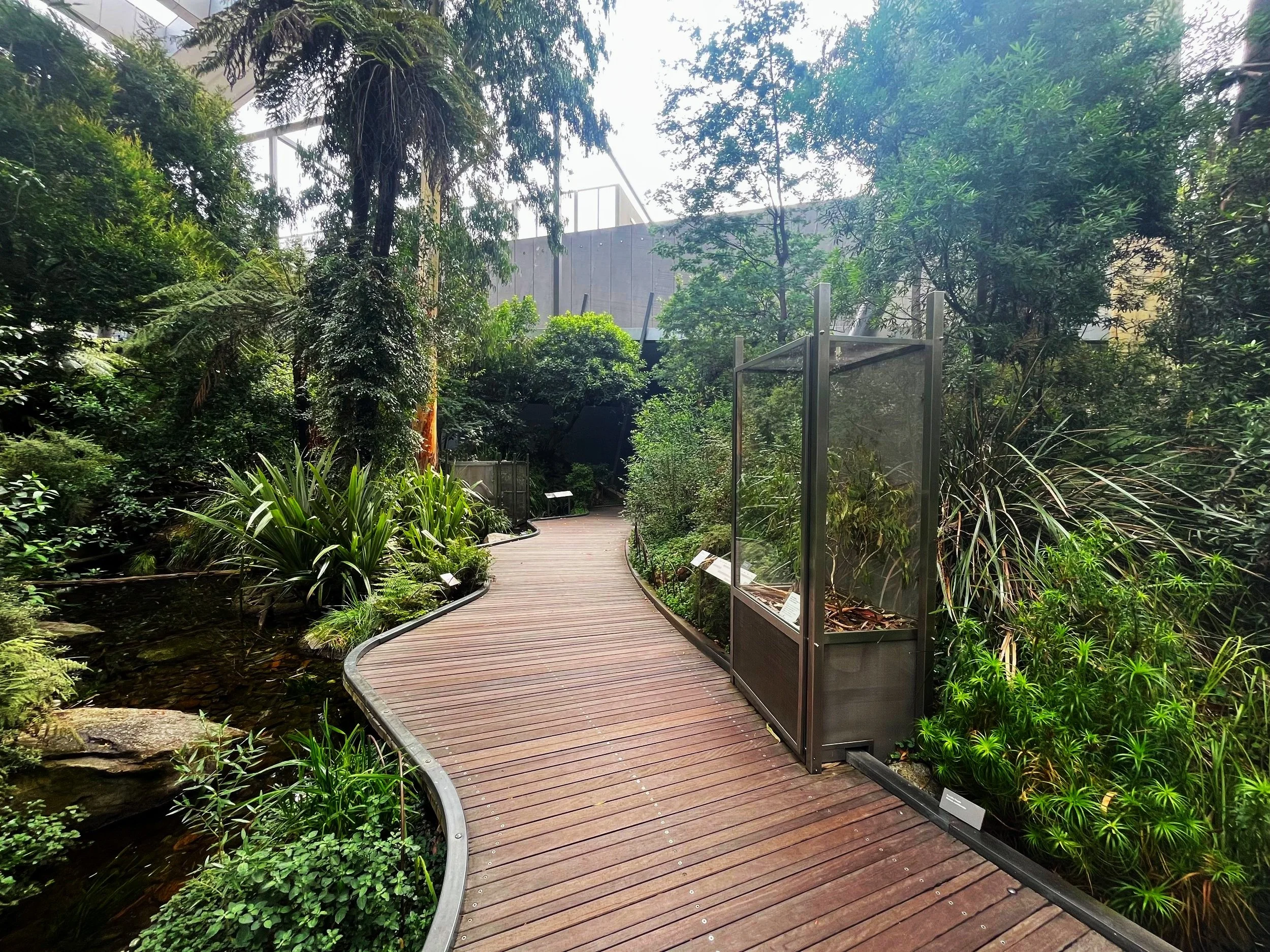
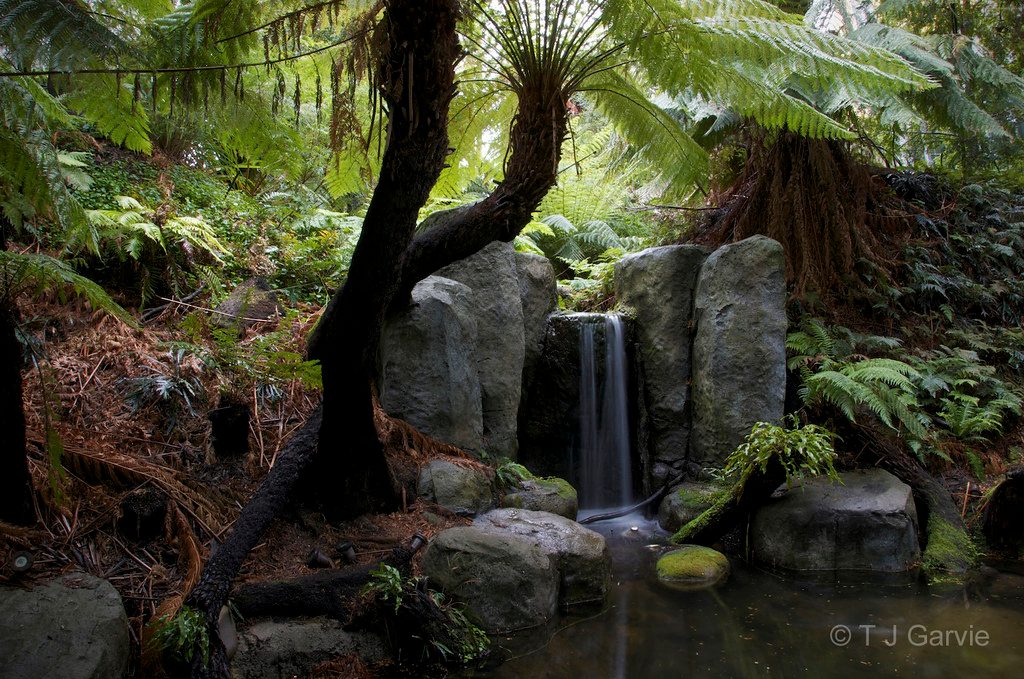
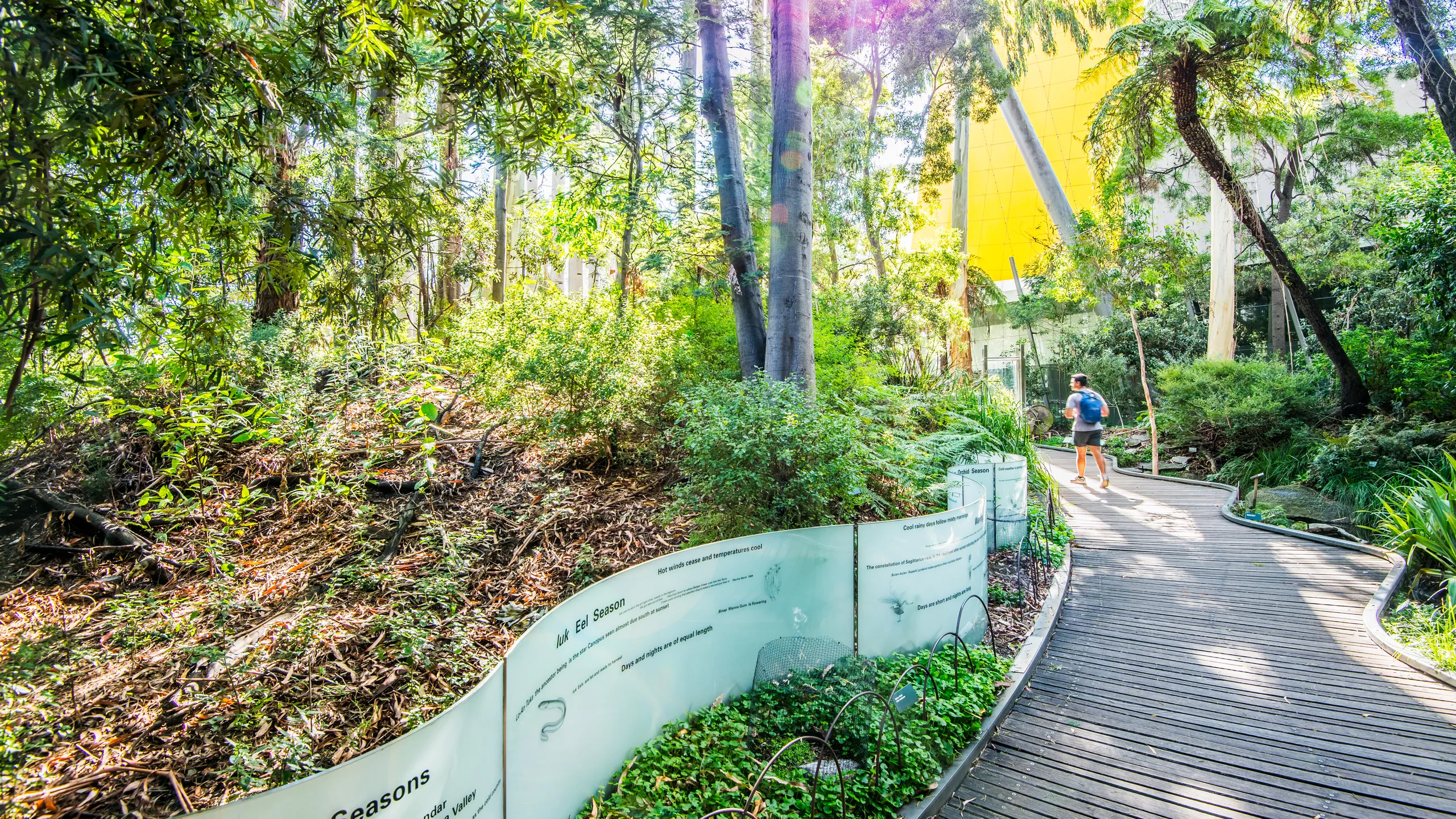
An indoor temperate rainforest atrium under a glass roof, home to live lyrebirds, water dragons, and over 8,000 plants across two levels. It functions as a genuine functioning ecosystem rather than a static diorama, complete with a working waterfall.
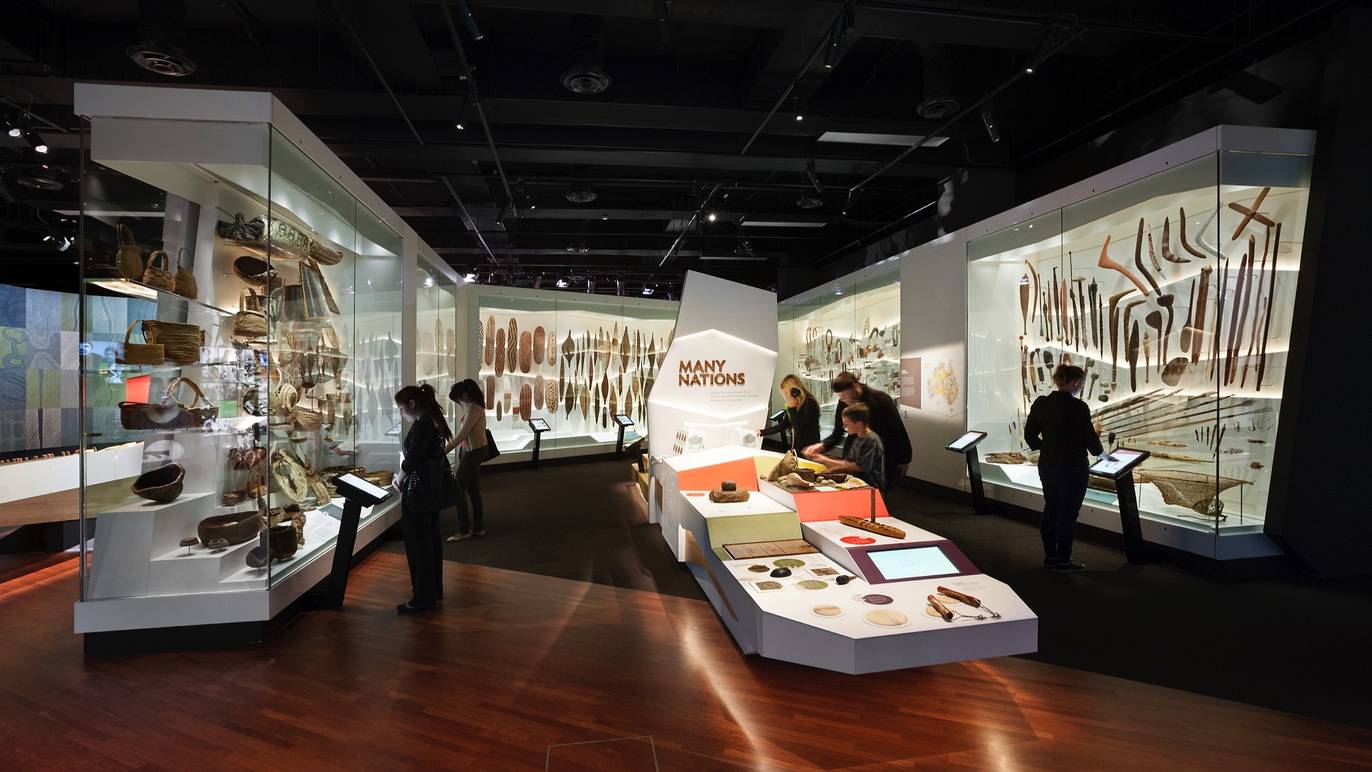
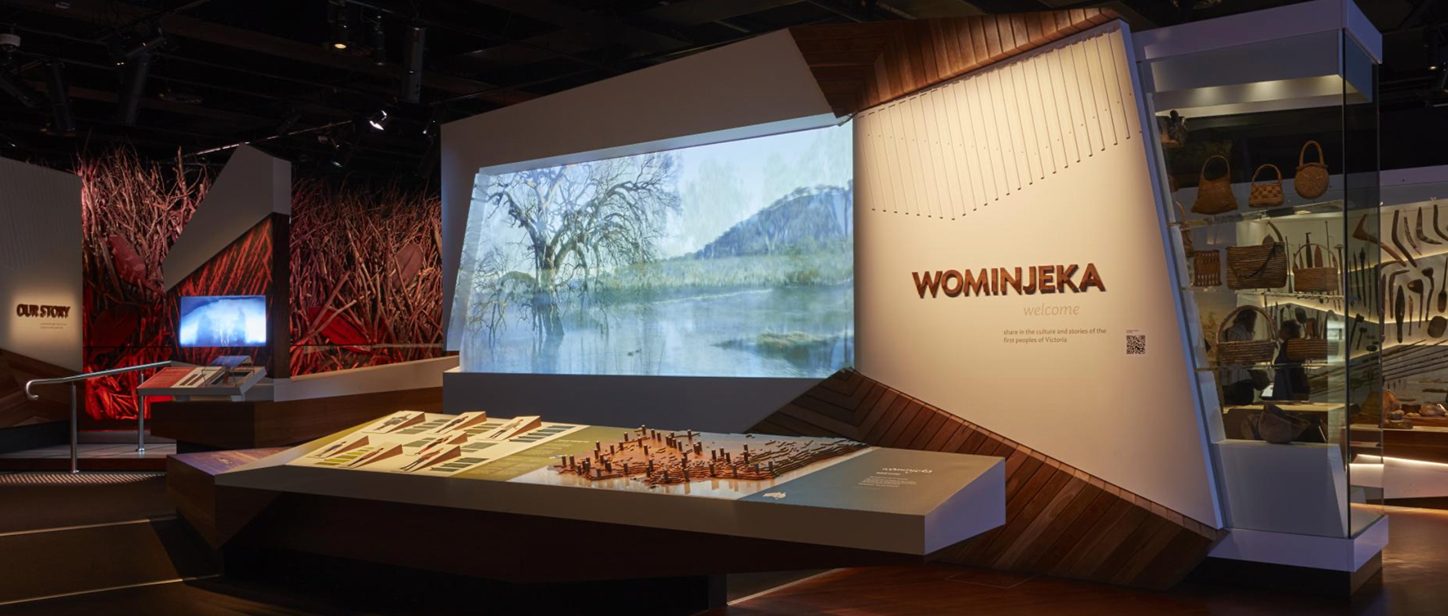
A ground-floor cultural centre dedicated to First Peoples history and contemporary Indigenous Victorian voices, including the Melbourne Story and First Peoples exhibitions. It holds one of the most significant public collections of Aboriginal cultural material in the state.
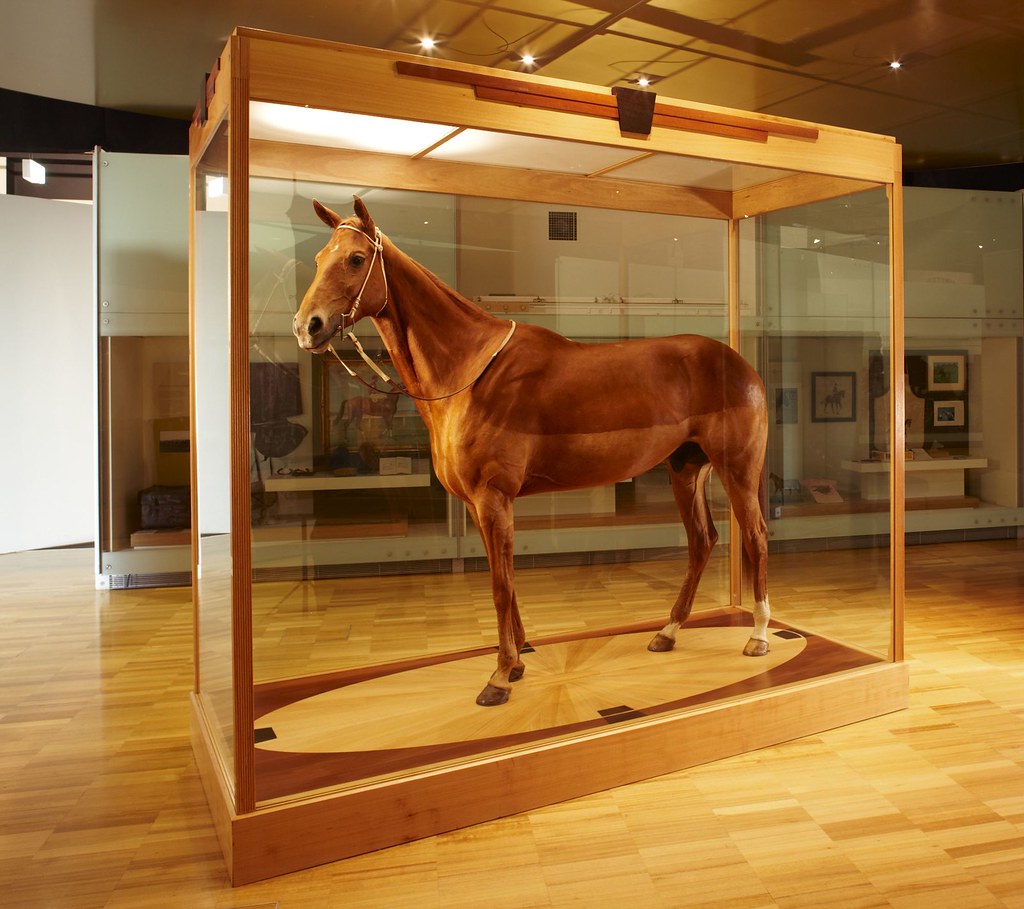
A taxidermied mount of Australia's most famous racehorse, on permanent display in the Melbourne Gallery on the upper level. More than 80 years after his death in 1932, Phar Lap remains the museum's most requested single exhibit.
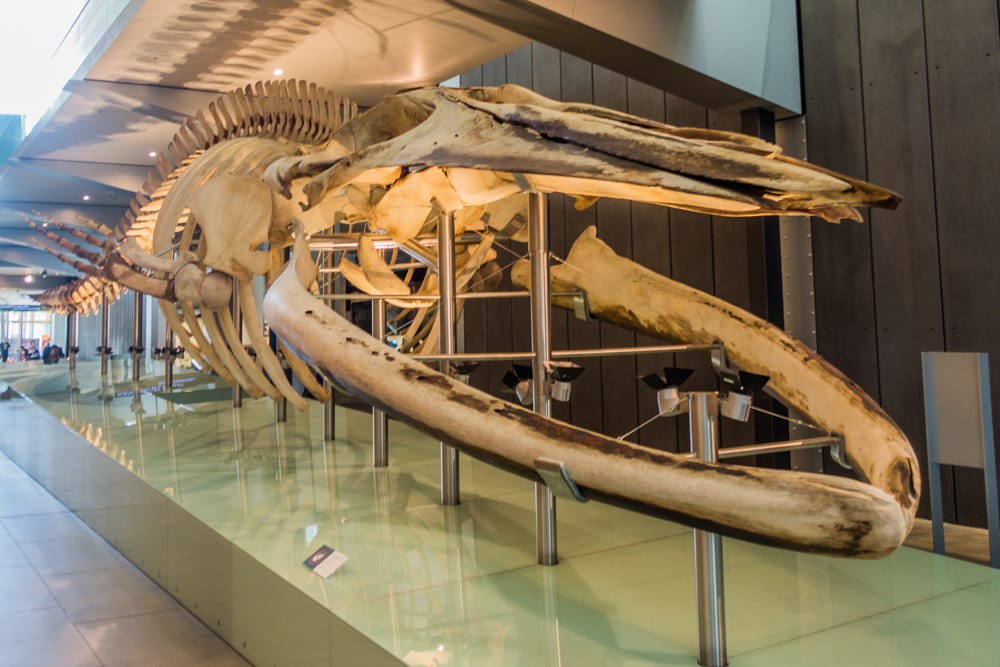
A suspended skeleton of a blue whale, the largest animal known to have lived, stretching roughly 20 metres above the atrium space. Its scale is used to anchor discussions of marine biology and evolutionary history for visiting school groups.
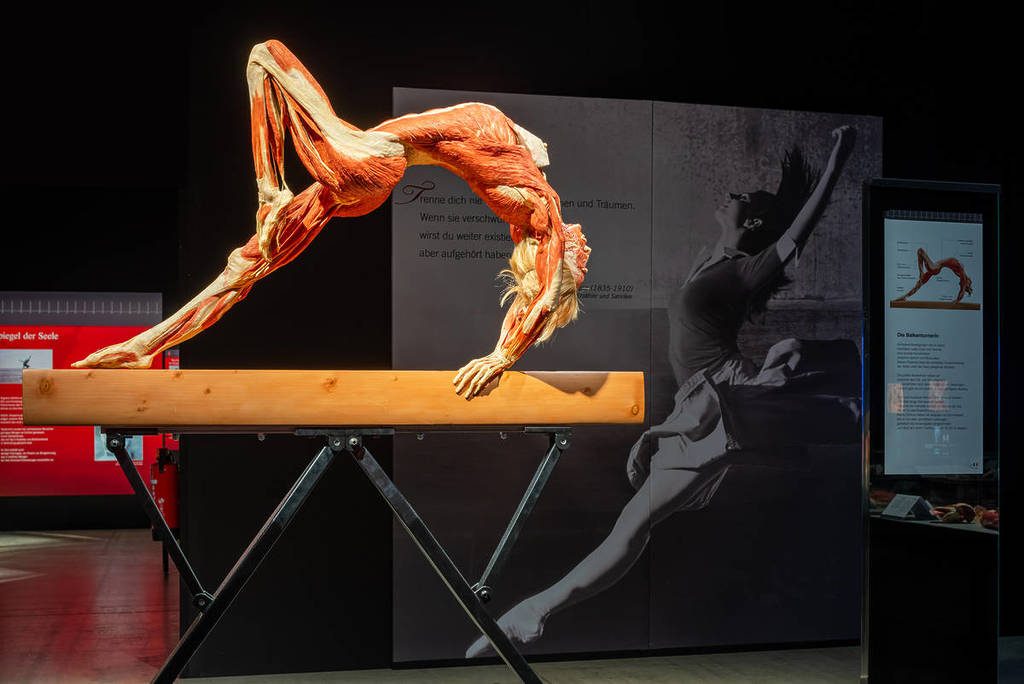
An upper-level science gallery exploring human anatomy, health, and medical history through interactive displays and preserved specimens. It includes historical medical instruments alongside modern interactive diagnostic stations.
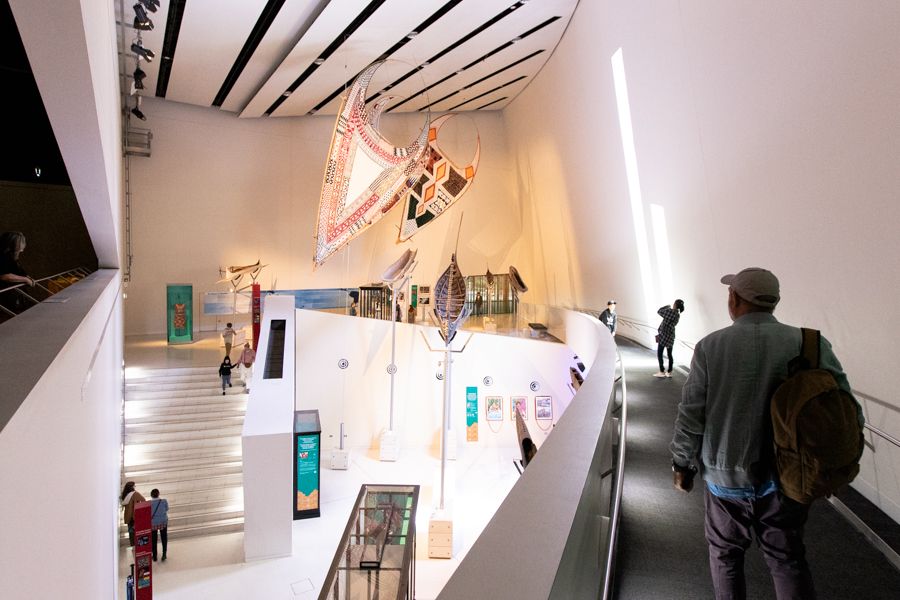
You arrive between 09:00 and 10:30, when the Nicholson Street entrance is still quiet and the school groups have not yet formed their lines. Doors open at 09:00. You cross the forecourt, look back once at the Royal Exhibition Building's dome, and step into a foyer where the ceiling lifts several storeys above you.
You go left first, into the Forest Gallery, because the light is best early and the birds are audible. The walkway takes eight minutes at a walking pace, longer if you stop at the water. From there you follow the ramp down to Bunjilaka, where you slow considerably — the First Peoples exhibition asks for reading, not scanning, and you find yourself standing at single panels for whole minutes.
Midday you climb to Melbourne Gallery and stand in front of Phar Lap. The horse is smaller than photographs suggest. You circle the case twice. Afterwards you drift through the blue whale skeleton overhead, then the mineral cases, where labelled gold specimens sit behind thick glass.
By mid-afternoon your attention thins. You take the last hour lightly, walking the touring exhibition without pressure, and leave through the gardens before the 17:00 close. Melbourne Museum Tickets scan at the door from your phone; nothing else is required.
All the details about your upcoming adventure in one place
Melbourne Museum Tickets grant entry to Australia's largest museum complex in the Carlton Gardens, where the Forest Gallery's living ecosystem, the Bunjilaka Aboriginal Cultural Centre and the mounted racehorse Phar Lap sit under one roof. The permanent galleries span dinosaur fossils, Victorian social history and the Melbourne Story, alongside a rotating program of touring exhibitions. Digital Melbourne Museum tickets tours through the collection begin at the main entrance facing the Royal Exhibition Building, a UNESCO World Heritage landmark.
A living rainforest grows inside the building. The Forest Gallery holds more than 8,000 plants from twenty Victorian species, open to the sky, with birds and reptiles moving through it while visitors pass on raised walkways.
It is a working ecosystem, not a diorama, and it sits at the structural heart of a museum otherwise devoted to bones, artefacts and archives.
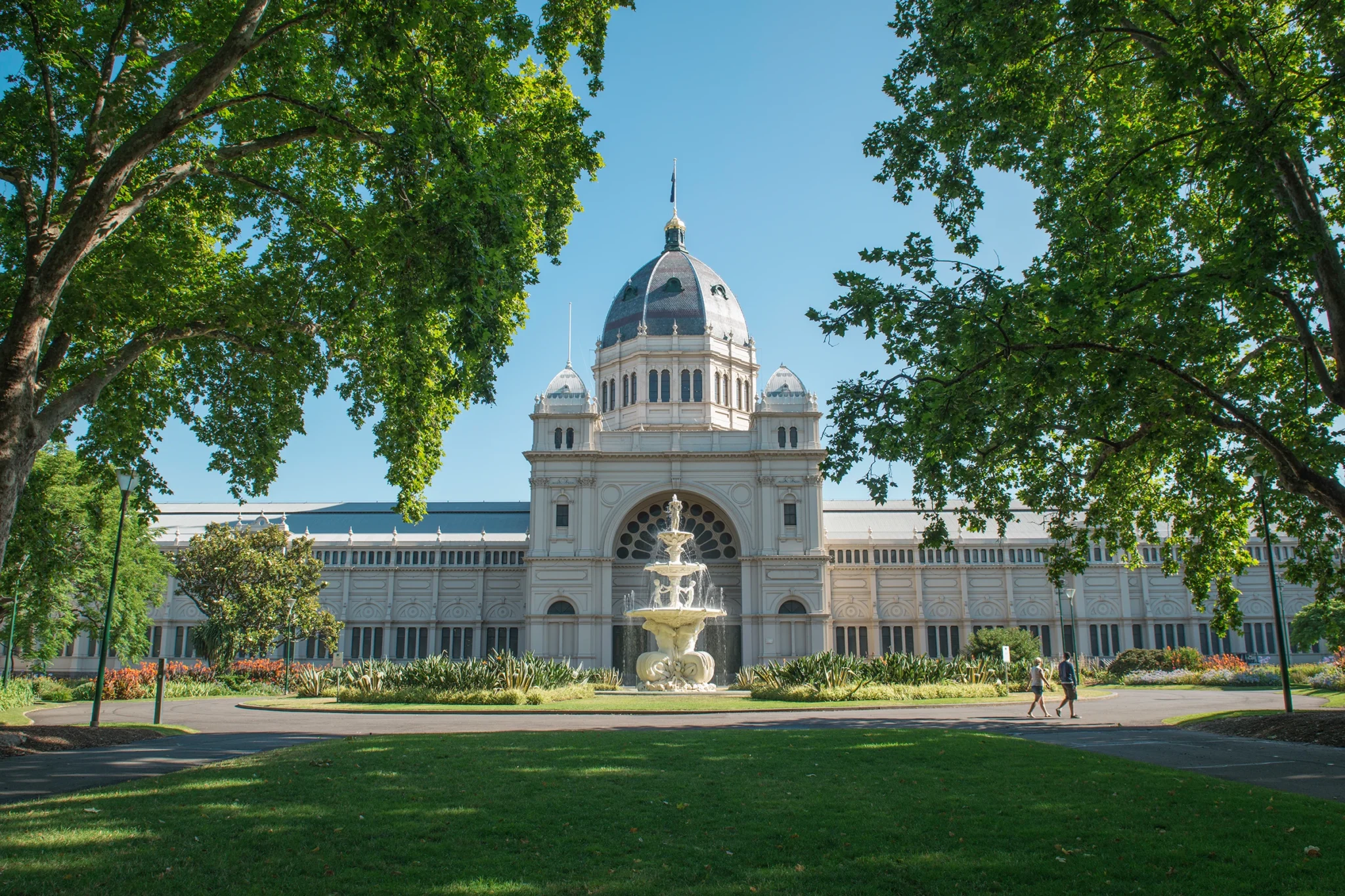
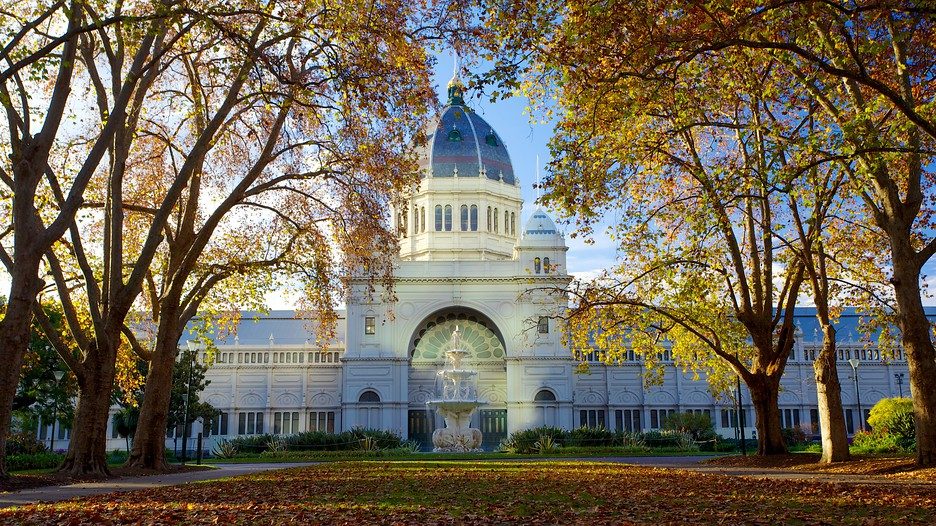
The institution traces to 1854, and moved to its present address at 11 Nicholson St in 2000, on the northern edge of the Carlton Gardens. The site places it directly beside the Royal Exhibition Building, Australia's first structure to receive UNESCO World Heritage listing. That adjacency matters. Melbourne Museum Tickets tours are, in practice, entry to a precinct rather than a single hall — nineteenth-century civic ambition on one side, a low blue-and-white modernist complex on the other, separated by lawns and elms.
The collections reward slow attention. Bunjilaka Aboriginal Cultural Centre, developed with Victorian Traditional Owner communities, presents First Peoples histories in their own voice through the permanent First Peoples exhibition. Melbourne Gallery holds Phar Lap, the mounted hide of the racehorse that dominated Australian sport before dying in California in 1932; the animal remains among the most visited objects in the country. Science and Life galleries carry mineral specimens, marine invertebrates and a blue whale skeleton suspended overhead. The Dynamic Earth display works through Victorian geology, from volcanic basalt to gold-bearing quartz. Children's Gallery, Te Pasifika Gallery and rotating touring exhibitions fill the remainder.
Architecturally, the building was designed by Denton Corker Marshall and completed at the turn of the millennium — long horizontal blades, exposed steel, deliberate sightlines that frame the Exhibition Building's dome from inside the foyer. Critics argued at the time that the design competed with its heritage neighbour. Two decades on, the contrast reads as intentional: one structure built to display a young colony's confidence, the other built to examine it.
What gives the place its present significance is scale of holding rather than spectacle. Museums Victoria, the parent body, maintains roughly seventeen million items across its sites, and this is the largest museum building in the southern hemisphere. Research staff work on entomology, palaeontology and Indigenous cultural material in laboratories the public rarely sees, though glazed panels in some galleries reveal conservation work in progress.
For travellers assembling a route through the city's institutions, a Melbourne Museum guided tour offers context that self-guided wandering cannot supply — provenance, excavation history, the politics behind repatriation. Melbourne Museum Tickets tickets cover general admission at 18 AUD for a standard adult, with the IMAX theatre operating separately within the same complex.

One structure was built to display a young colony's confidence; the other was built to examine it.
There is no formal dress code for Melbourne Museum Tickets holders, but comfortable walking shoes are recommended since the galleries span three levels connected by stairs, lifts, and long corridors. The Forest Gallery and Bunjilaka Aboriginal Cultural Centre involve extended standing and walking, and indoor temperatures stay mild year-round thanks to climate control.
Bag checks are conducted at the Nicholson Street entrance during peak periods, and large backpacks or suitcases may need to be left at the cloakroom near the foyer. Visitors carrying oversized luggage should plan to check it in before proceeding to ticket scanning, as gallery aisles in the Dinosaur Walk and Melbourne Gallery are narrow in places.
Personal, non-flash photography is permitted throughout most permanent galleries, including the Forest Gallery and Dinosaur Walk, but flash and tripods are restricted in the Bunjilaka Aboriginal Cultural Centre out of respect for cultural protocols. Some temporary exhibitions impose additional photography restrictions that are posted at the gallery entrance.
Children 16 and under are admitted free with a paying adult, and the ground-floor Children's Gallery is designed for play-based learning for younger visitors. Pram access is available throughout the building via lifts.
Melbourne Museum is fully wheelchair accessible, with lifts connecting all three levels, accessible restrooms, and a dedicated accessible parking on level P2 of the underground car park. Companion Card holders are admitted free, and low-floor trams on routes 86 and 96 stop directly outside the Nicholson Street entrance.
Outside food and drink may be consumed in designated seating areas near the Nicholson Street foyer and Carlton Gardens forecourt, but eating is not permitted inside the galleries themselves, including the Forest Gallery and Bunjilaka. Water bottles are allowed throughout the museum as long as lids remain closed while walking through exhibit spaces.
Quiet before 10am
School group mornings common
Late-week crowds build slightly
Closed on Good Friday only
Busier with families
Hours
09:00–17:00 daily, including public holidays except Good Friday and Christmas Day
Address
11 Nicholson St, Carlton, VIC 3053, Australia
Access
Lift access, accessible parking on P2, low-floor trams to Stop 11
Best arrival
09:00–10:30 to beat school groups and tour crowds before midday
Cloakroom
Lockers available near the main Nicholson St entrance for bags and coats
Public transport · 10-20 min from CBD · Myki fare required
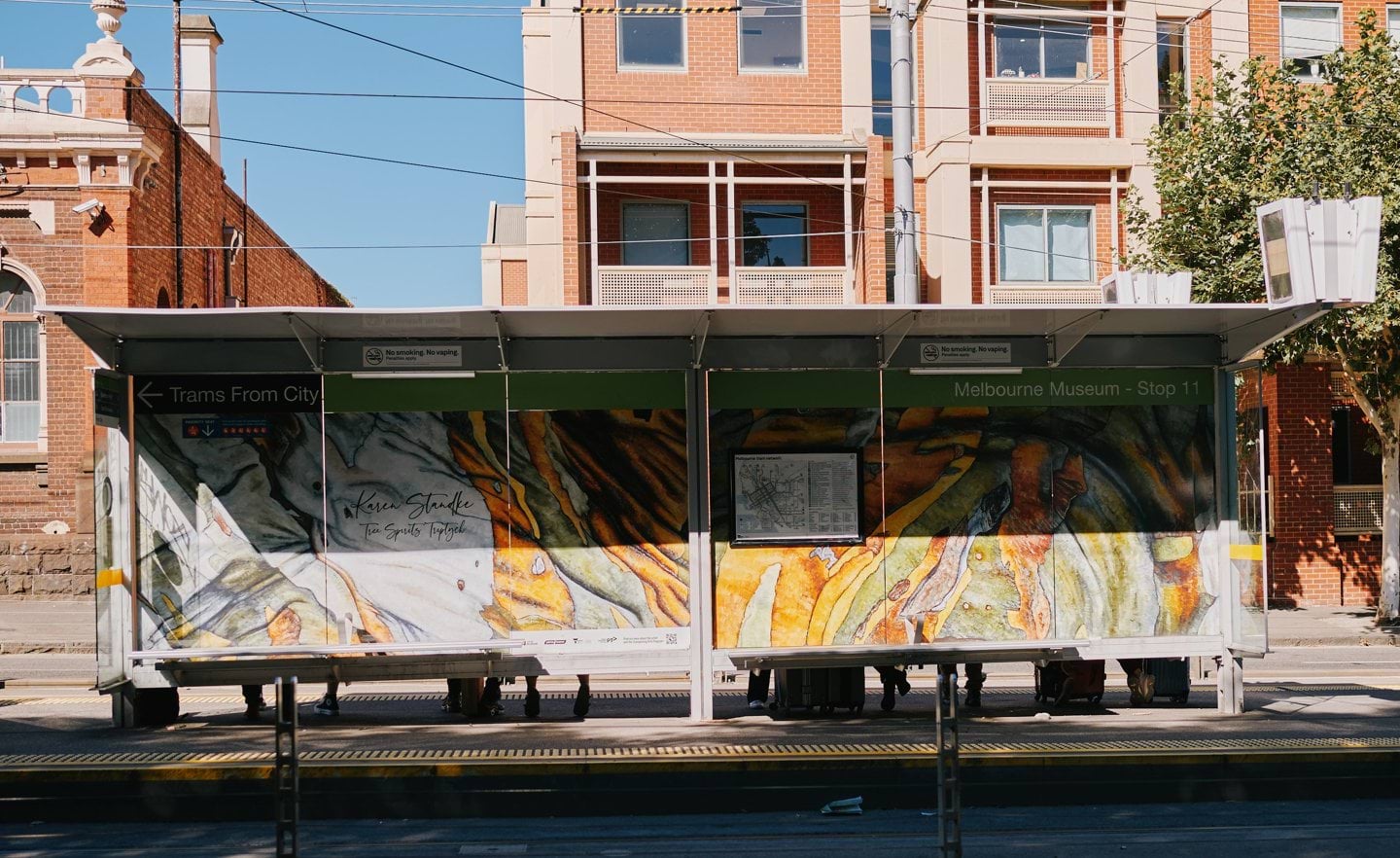
Tram routes 86 and 96 stop directly outside at Stop 11, corner of Nicholson and Gertrude Streets; the City Loop train to Parliament Station is a 7–10 minute walk through Carlton Gardens.
Car · 15-30 min from CBD depending on traffic · Approx. 25 AUD day rate
Underground car park entry via Rathdowne or Nicholson Street operates 5:30am to midnight daily with card-only payment.
Walk · 20-25 min · Free
From Flinders Street Station or Federation Square, it's a flat walk north through the CBD and Carlton Gardens.
Taxi · 10-15 min from CBD · Metered fare
Drop-off zones are available directly on Nicholson and Rathdowne Streets outside the main entrance.
Melbourne Museum Tickets booked online can generally be rescheduled or refunded up to 24 hours before the visit date; same-day cancellations are not refunded. The standard adult admission of 18 AUD is refunded in full when the change is requested within the eligible window.
Weather · crowds · average price — dots go green to amber to red as each metric rises.
Warm days push visitors toward air-conditioned indoor galleries, so weekday mornings stay calmer than weekends. School summer holidays in January bring heavier family traffic.
Mild temperatures and fewer school holiday overlaps make March and April some of the quietest months for a relaxed Melbourne Museum tour.
July school holidays bring noticeably higher attendance, especially early afternoons, so a 09:00 arrival avoids the midday surge.
September school holidays add crowds mid-month, but October and November weekdays are generally quiet with comfortable walking weather outside in Carlton Gardens.
Pre-purchasing Melbourne Museum Tickets ahead of time avoids queueing at the counter, especially on weekends and during school holidays.
Arriving between 09:00 and 10:30 lets visitors reach the Dinosaur Walk and Forest Gallery before school tour groups fill the ground floor.
Since both sites share Carlton Gardens, combining a Melbourne Museum tour with a walk past the Royal Exhibition Building costs almost no extra travel time.
Tram routes 86 and 96 stop right outside, which is often faster than finding parking in the underground car park during peak hours.
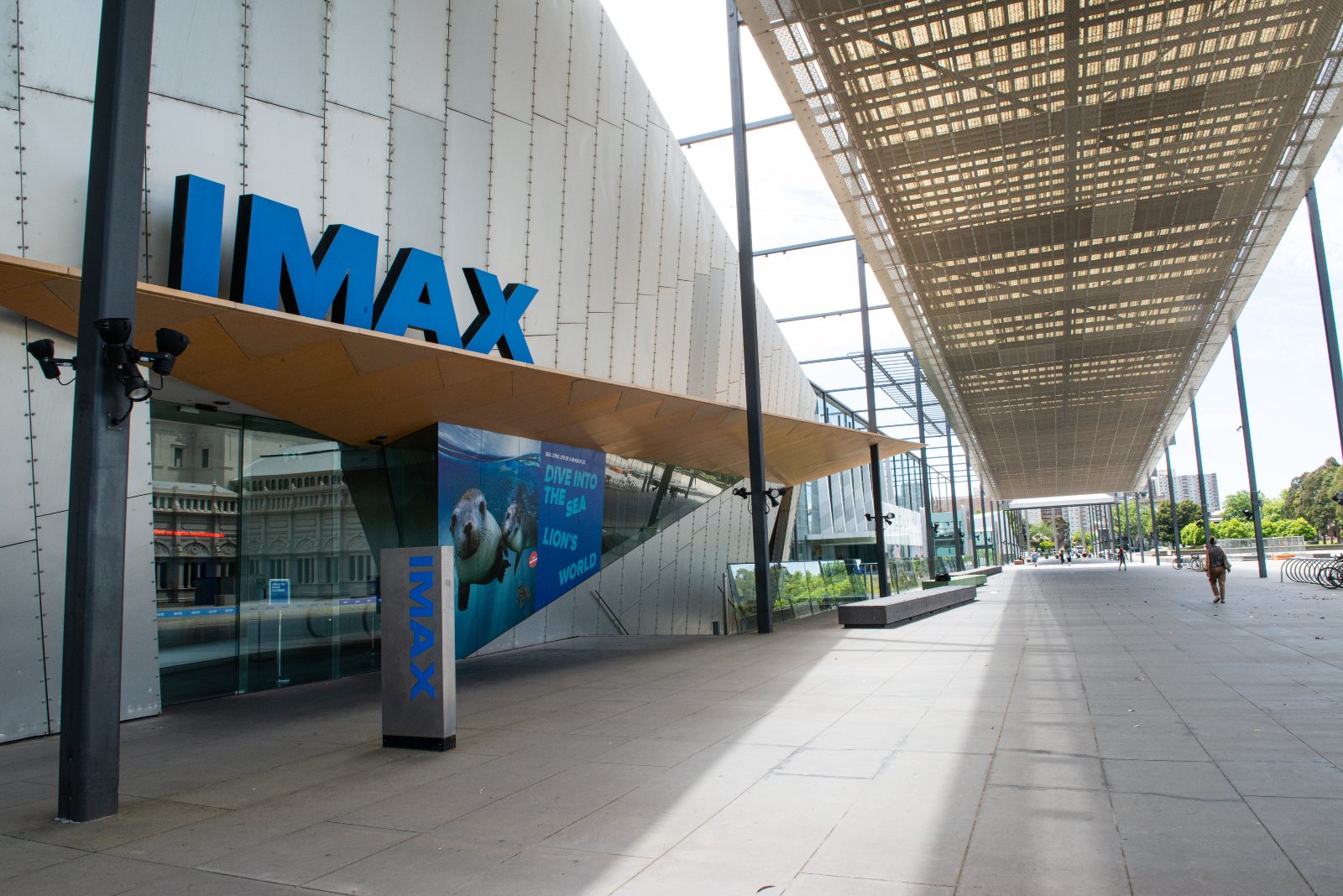
The attached IMAX cinema runs separate ticketing, so check show times in advance if planning to combine a film with the museum visit.
Air-conditioning keeps the galleries cool year-round, so a light jacket is useful even on warm Melbourne days.
Visitors covering all eight galleries and Bunjilaka thoroughly should budget close to three hours rather than a quick one-hour pass.
11 Nicholson St, Carlton, VIC 3053
Ground-floor foyer beneath the museum's forecourt canopy
Get directions
Corner of Nicholson and Gertrude Streets
Tram routes 86 and 96 drop passengers directly outside
Get directionsThe institution began in 1854. Frederick McCoy, newly arrived professor of natural science at the University of Melbourne, was appointed director of the Museum of Natural History. Its first home was a room in the government assay office on La Trobe Street. In 1856 the collection moved to the university grounds in Parkville, where McCoy governed it for four decades. He acquired fossils, minerals and mounted specimens with a collector's appetite, and resisted every proposal to relocate. Only after his death in 1899 did the natural history collection shift to Swanston Street, joining the National Gallery and Public Library in a single crowded block. A second lineage ran in parallel. The Industrial and Technological Museum opened in 1870, built from material left over from the intercolonial exhibitions, and devoted itself to machinery, applied science and colonial manufacture. For over a century the two bodies shared premises without sharing purpose. The Museums Act of 1983 finally merged them, together with the Institute of Applied Science, into the Museum of Victoria. Space remained the unsolved problem. Visitors seeking Melbourne Museum Tickets tickets in the 1980s queued in galleries that had been improvised since the 1890s. The resolution came in Carlton Gardens. Denton Corker Marshall won the commission in 1994, and construction proceeded beside the Royal Exhibition Building — the 1880 Joseph Reed hall that later became Australia's first UNESCO World Heritage building. The architects set blades, fins and a cantilevered roof against Reed's dome, echoing the CBD skyline rather than deferring to it. Heritage advocates objected loudly to the scale. The building opened on 21 October 2000, at a cost near 290 million dollars. What survives today is layered. Phar Lap, mounted since 1933, remains the most visited object. The Forest Gallery grows living Victorian temperate rainforest under glass. Bunjilaka presents First Peoples history on Wurundjeri land. Those buying Melbourne Museum Tickets now enter a century-and-a-half of accumulated collecting, and the Melbourne Museum Tickets tours and Melbourne Museum Tickets tour options available at 11 Nicholson St trace that inheritance through galleries no single Carlton landmarks itinerary can exhaust.
The Museum of Natural History is founded under Frederick McCoy, housed in the government assay office.
The collection relocates to the University of Melbourne grounds at Parkville, where McCoy directs it for forty-three years.
The Industrial and Technological Museum opens, formed from surplus material of the intercolonial exhibitions.
Joseph Reed's Royal Exhibition Building is completed in Carlton Gardens for the Melbourne International Exhibition.
Following McCoy's death, the natural history collection moves to the Swanston Street public buildings block.
The mounted hide of racehorse Phar Lap enters the collection and becomes its best-known exhibit.
The Museums Act merges the natural history and technological museums into the Museum of Victoria.
The Denton Corker Marshall building opens on 21 October beside the Royal Exhibition Building.
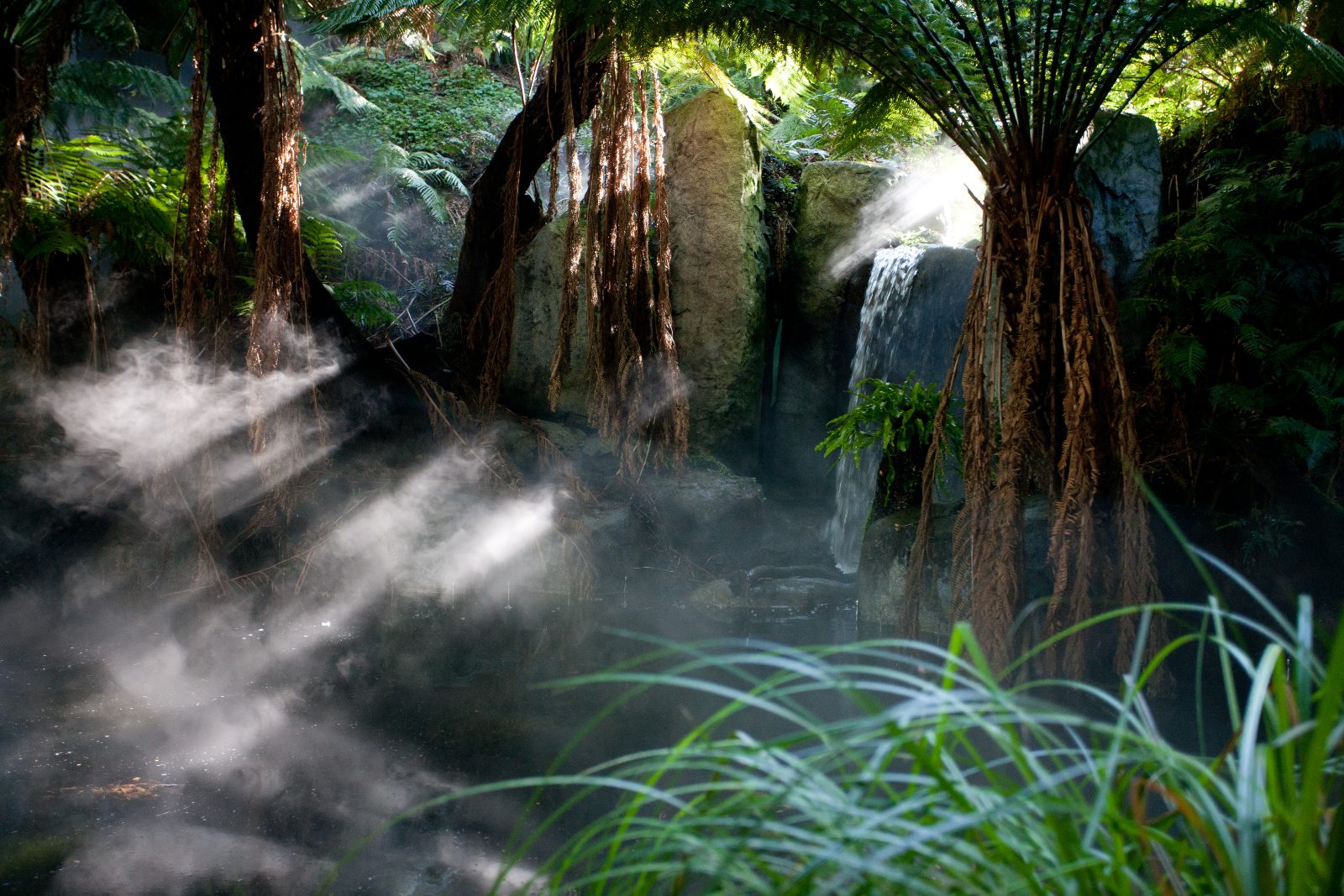
Stand at the fern gully entrance near the museum's ground floor where wisps of fog drift over the waterfall beneath tall eucalypts. The misted glass roof filters soft, even light onto the canopy, making it one of the better indoor spots to plan a shot before booking Melbourne Museum Tickets. Shoot from the boardwalk railing for a layered composition of ferns, mist and treetop.
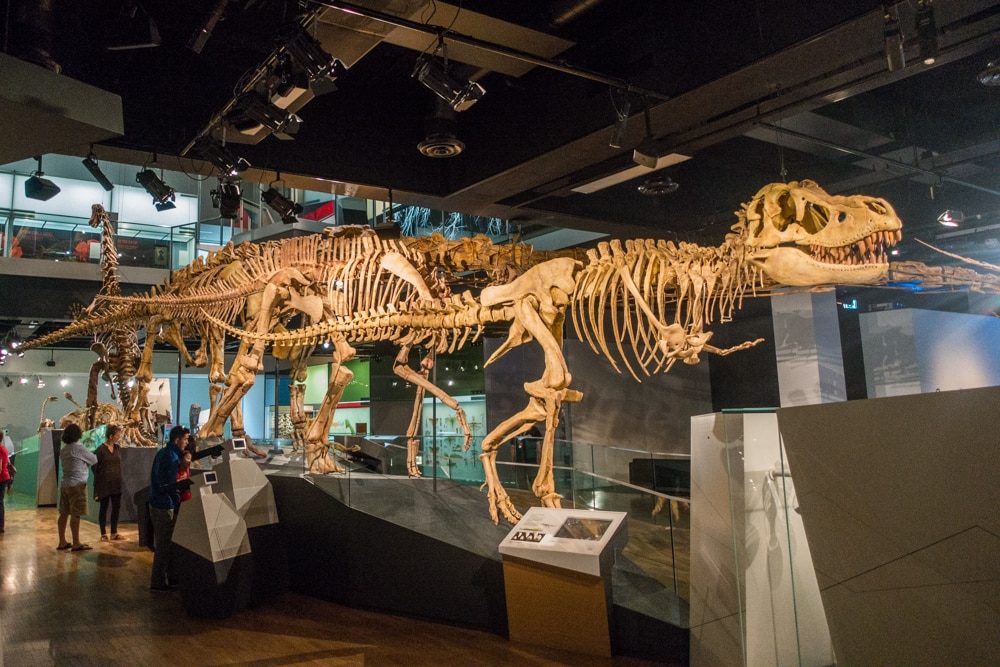
Frame the soaring hall from the ground-floor walkway, where mounted skeletons of 17 prehistoric animals rise overhead against dark exhibit walls. Wide shots work best from the entrance archway, capturing the full run of bones in one sweep. Low gallery lighting means a steady hand or higher ISO helps.
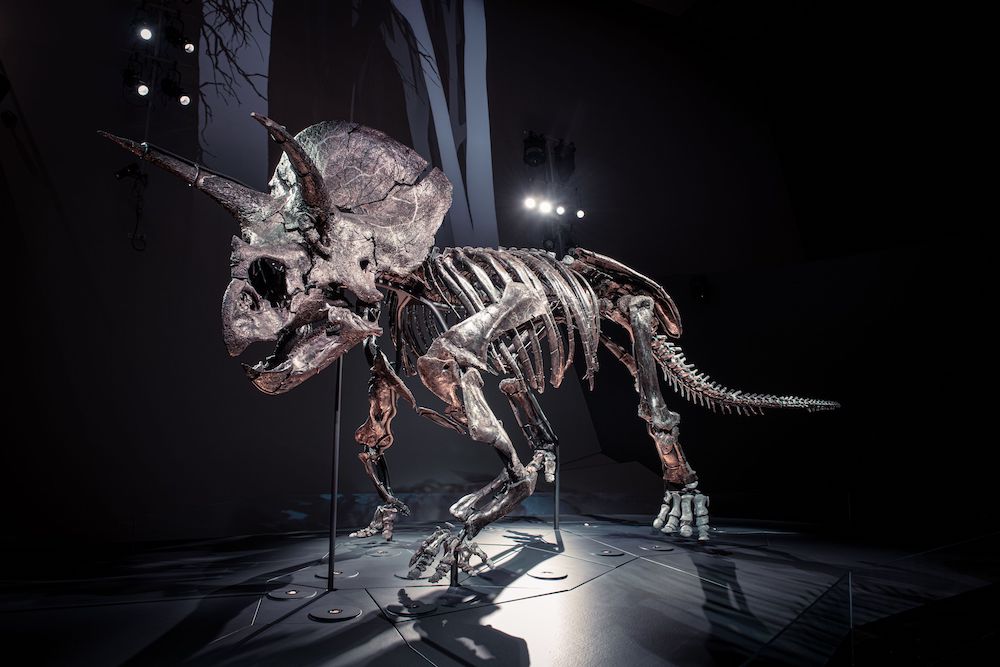
Horridus, the world's most complete Triceratops, sits in a dramatically lit chamber with two upper-level viewing platforms. Shoot straight-on from ground level for scale, then from the mezzanine above for an angle showing all 266 bones at once. The dark surrounding walls make the spotlighting pop in photos.
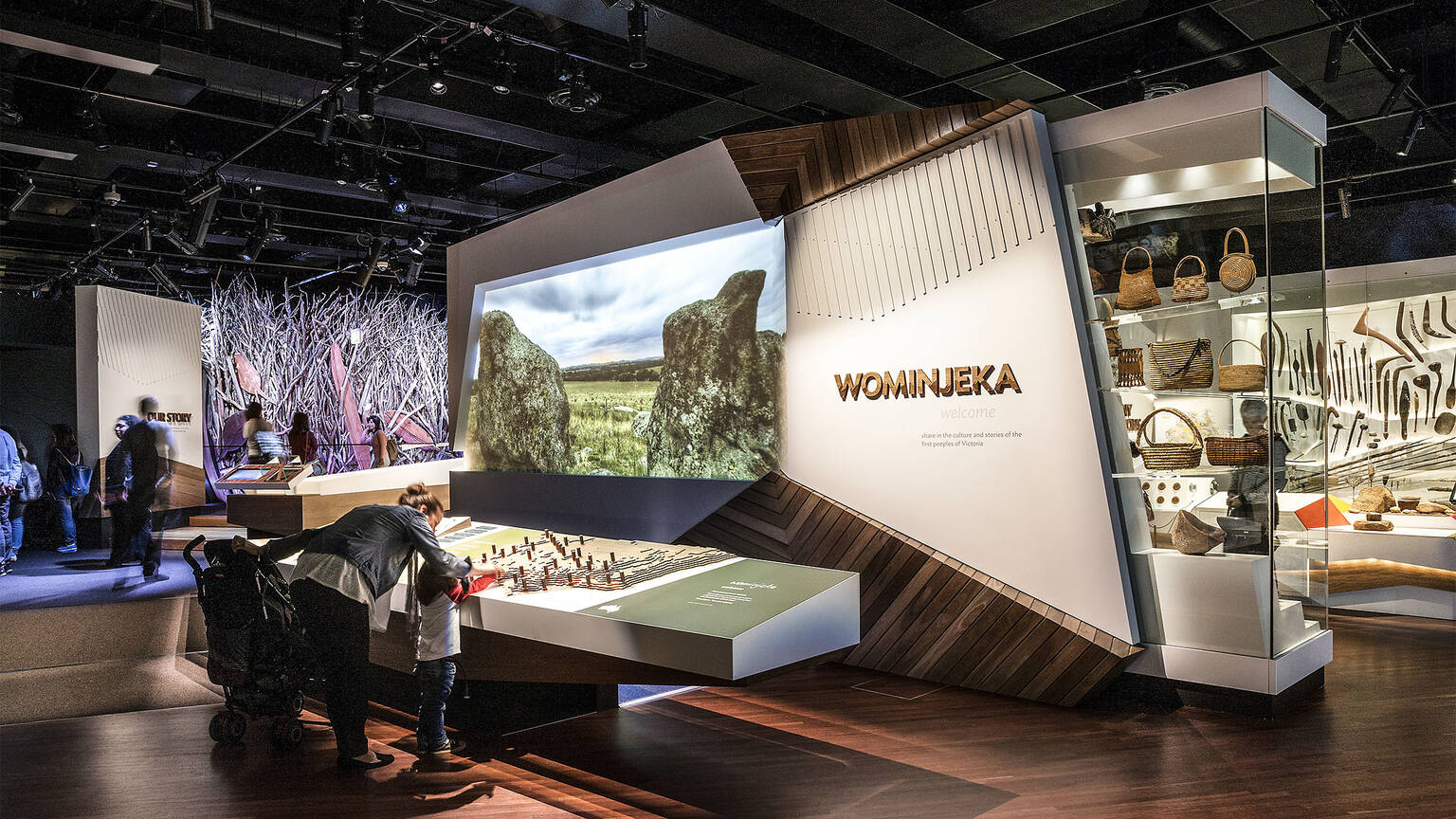
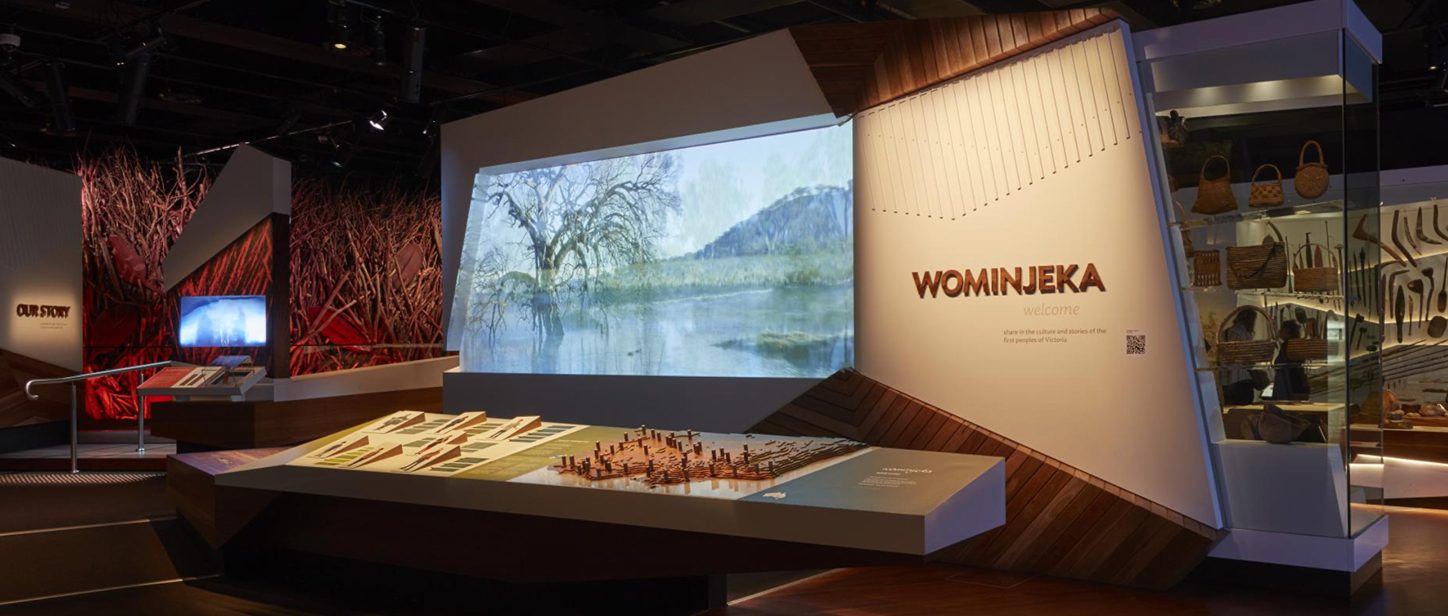
Inside Bunjilaka Aboriginal Cultural Centre, the First Peoples gallery pairs Judy Watson's Wurreka wall artwork with curated cultural displays tracing Aboriginal Victoria from Creation to today. Shoot along the entrance corridor where the artwork meets the gallery threshold for a striking wide frame. Respect posted photography guidelines near sensitive cultural items.
This native-planted courtyard within Bunjilaka features flora significant to south-eastern Aboriginal culture, offering a rare outdoor-feeling frame inside the museum. Stand at the garden's edge to capture native plants against the architectural backdrop, a quieter counterpoint to the busier dinosaur halls. Good for close-up plant detail shots.
Booking Melbourne Museum Tickets for the whole family is refreshingly simple, since only adults pay, and the day naturally splits into short, high-engagement stops that suit toddlers through tweens without a rigid schedule.
The Pauline Gandel Children's Gallery is built for infants to five-year-olds with sensory and hands-on play, while Dinosaur Walk and Forest Gallery hold school-age kids' attention far longer than static display cases.
Because everyone 16 and under enters free, larger families and multi-generational groups only budget for adult admission, which makes a spontaneous Melbourne Museum tour realistic even on a tight weekend.
Start with Dinosaur Walk while energy is high, save the Children's Gallery for a mid-visit reset since it requires a separate timed session, then finish in Forest Gallery, whose cooler, quieter path works well for winding down before meltdown fatigue sets in.
Doing the Children's Gallery immediately after Dinosaur Walk often backfires, as toddlers resist leaving the play space; slot it later so it becomes the natural last stop before heading out.
Ask staff on arrival for baby-change and parent-room locations, as these are positioned near the Children's Gallery rather than at the main entrance.
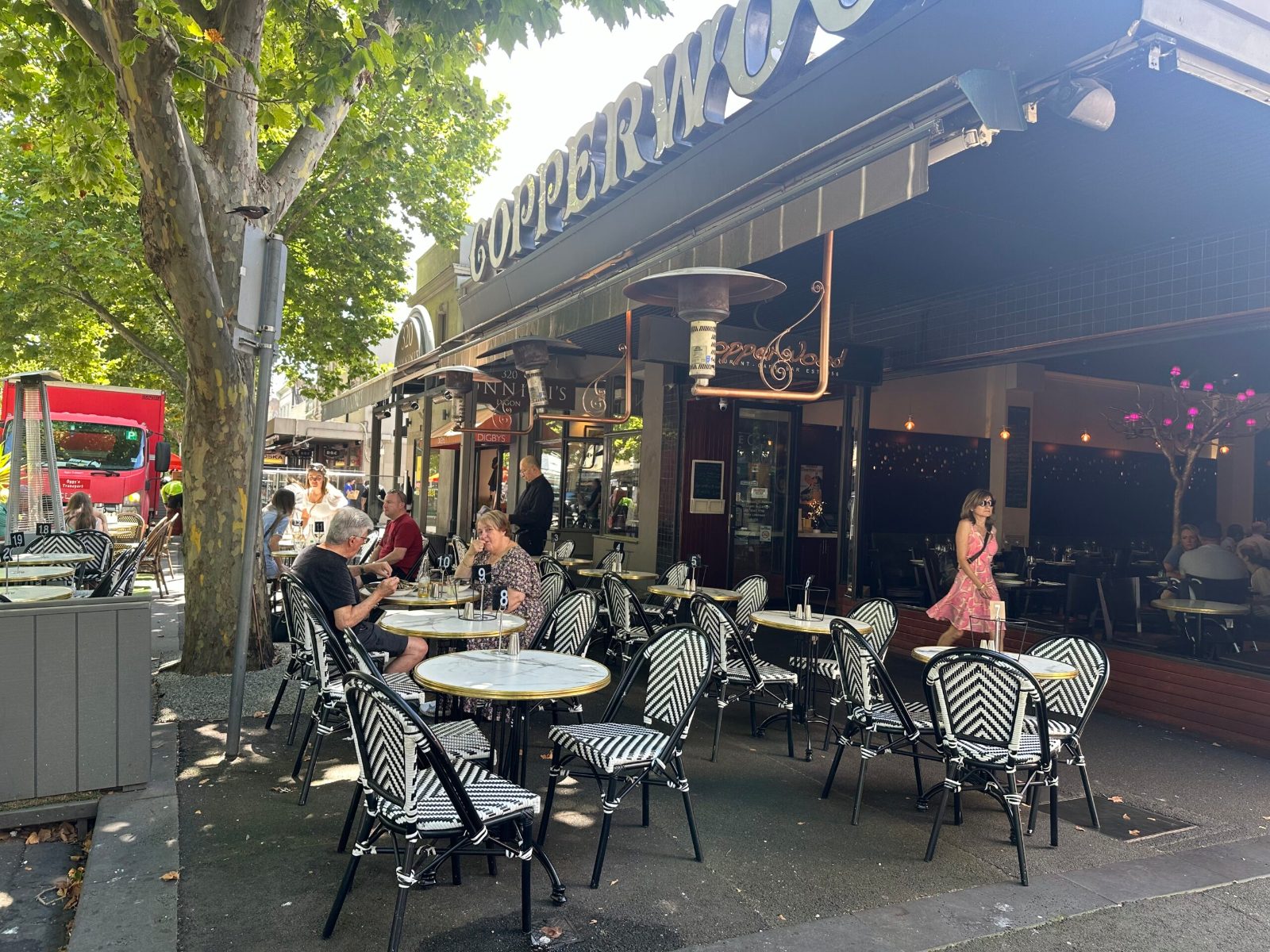
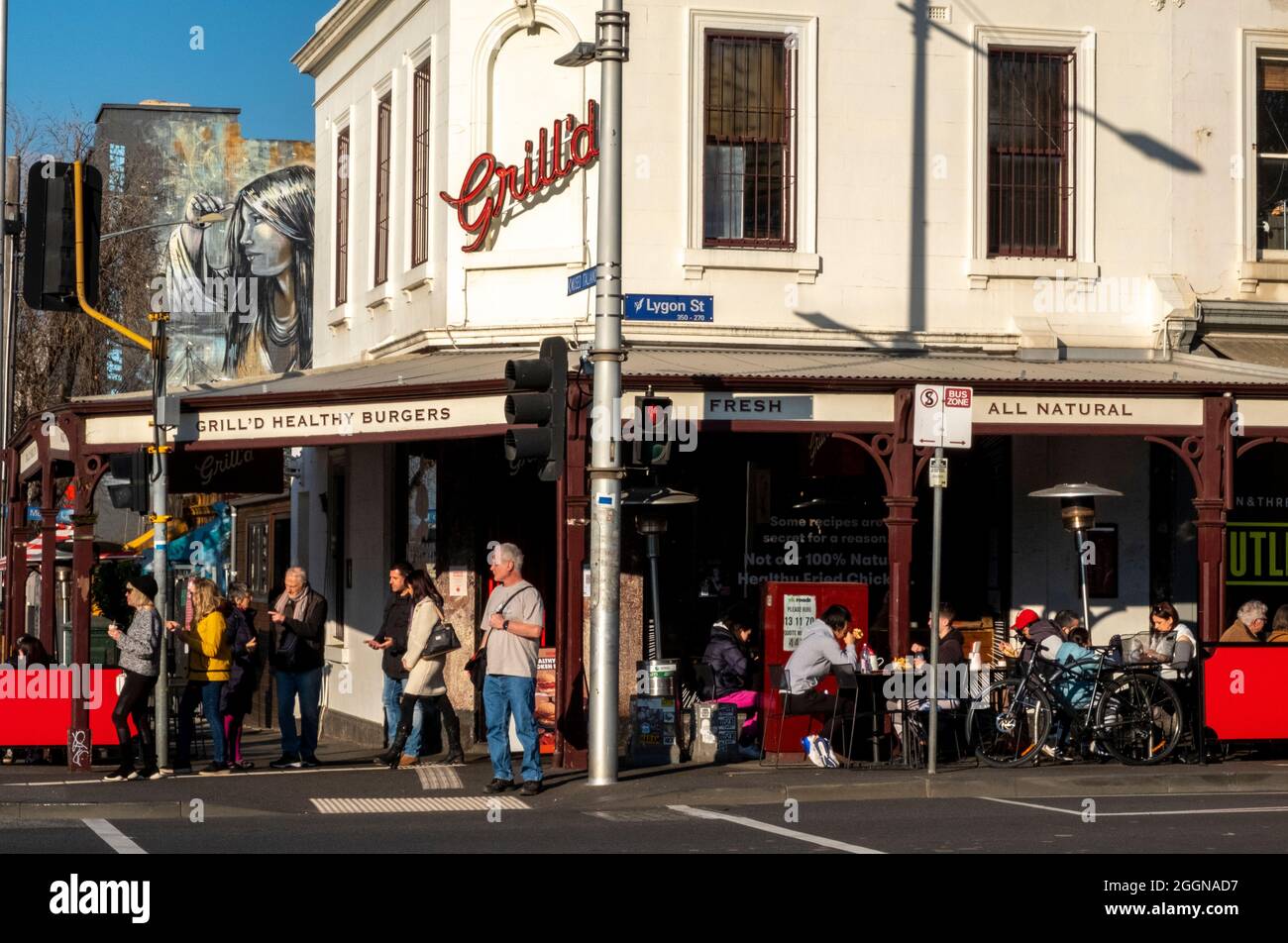
Anyone booking Melbourne Museum Tickets can eat well without leaving the building, and Carlton's Little Italy strip on Lygon Street is a five-minute stroll away for a proper sit-down meal afterward.
Grab-and-go sandwiches, salads and hot meals on the ground floor, useful for a fast reset between galleries. It gets busy around midday with school groups, so an early or late lunch is easier.
Modern Australian brunch and lunch dishes like salmon fishcakes or zucchini and pine nut spaghetti, best after a Melbourne Museum Tickets tour when you want to sit and linger. Bookings help on weekends.
Classic Melbourne institution on Lygon Street for coffee, pastries and cake if you want a sweet finish to a Melbourne Museum Tour rather than a full meal.
Long-running trattoria known for prawn pasta and traditional Italian classics, solid for a relaxed dinner after visiting Carlton's landmarks.
The 1884 Carlton institution's ground-floor espresso bar still pulls strong coffee, with new venues opening in the same heritage building through 2026.
Real experiences from real travelers
We booked Melbourne Museum Tickets the night before and walked straight in past a fairly long queue on a cold Carlton morning. Phar Lap is smaller than I expected but the taxidermy detail is remarkable, and the Forest Gallery outside is genuinely alive with birdcalls. The glass atrium keeps everything bright even on a grey day.
The First Peoples exhibition at Bunjilaka was the strongest part for us, particularly the possum-skin cloak and the recorded voices in the darkened rooms. Signage is bilingual enough to follow easily and staff answered questions patiently. Carlton Gardens outside makes a quiet decompression after.
The Dinosaur Walk runs along a full glass wall so the skeletons are lit by daylight, which photographs far better than a dim gallery. My son recognised the Triceratops instantly. Melbourne Museum Tickets tickets were scanned from my phone with no fuss at the entry.
A good Melbourne museum tour if you like natural history and cultural collections in one building. The Mind and Body gallery felt a little dated compared with the rest, though the human biology displays still draw crowds. Cloakroom staff were helpful with our backpacks.
Wet July afternoon and this was the right call. The Melbourne Museum Tickets tour flow is easy to navigate from the central ramp, and the Royal Exhibition Building framed by wet elms is worth stepping outside for. Trams stop almost at the door on Rathdowne Street.
The Forest Gallery is an open-air courtyard planted with mountain ash and tree ferns, and hearing rain hit the canopy from the walkway was the highlight. Inside, the wildlife dioramas are meticulous. One of the better Carlton landmarks for a warm summer morning before the heat builds.
Grabbed skip-the-line Melbourne Museum entry and it saved us a wait at the glass canopy. Ceilings are enormous so it never feels crowded even when it is. The Aboriginal collections are presented with real care rather than as an afterthought.
Went on a bright cold day and the low sun through the atrium glass made the whole main hall glow. Phar Lap's stall display had a steady crowd but it moves. Melbourne Museum Tickets tours are worth booking ahead in school holidays.
Large enough that we missed a wing entirely. The Melbourne Museum Tickets we bought online loaded straight into the wallet app which made entry painless. Bunjilaka and the Forest Gallery were the two we would return for.
Local, been a few times, and the permanent galleries do not change much. The Melbourne Museum Tickets tickets are simple enough to sort on the tram over. Carlton Gardens and the Royal Exhibition Building next door still make the trip feel worthwhile.
Everything you need to know for your journey
Melbourne Museum is open daily from 09:00 to 17:00, including weekends, with the only closures being Good Friday and Christmas Day.
The museum operates continuously from 09:00 to 17:00 with no separate last-entry cutoff, though allowing at least two hours before closing gives enough time to see the main galleries.
Yes, the building has lift access to all three levels, accessible restrooms, and dedicated accessible parking on level P2 of the underground car park.
Large suitcases, tripods in cultural galleries, flash photography near Bunjilaka, outside food inside gallery spaces, and drones are among the items not permitted.
Personal non-flash photography is allowed in most permanent galleries, though flash and tripods are restricted inside the Bunjilaka Aboriginal Cultural Centre.
Arriving between 09:00 and 10:30 on a weekday is the best way to beat school groups and tour crowds before midday.
There's no formal dress code, but comfortable walking shoes are recommended given the three levels of galleries and extended walking involved.
Drinks with closed lids are fine to carry, but eating is restricted to designated seating areas rather than inside the galleries themselves.
Tram routes 86 and 96 stop directly outside at Stop 11, and the City Loop train to Parliament Station is a 7-10 minute walk through Carlton Gardens.
Yes, children aged 16 and under are admitted free with a paying adult as part of standard admission at 18 AUD.
Bookings can typically be rescheduled or refunded up to 24 hours before the visit date, with the 18 AUD standard admission refunded in full within that window.
The Royal Exhibition Building sits directly opposite across Carlton Gardens, and Lygon Street's cafe strip is a 10-minute walk away.
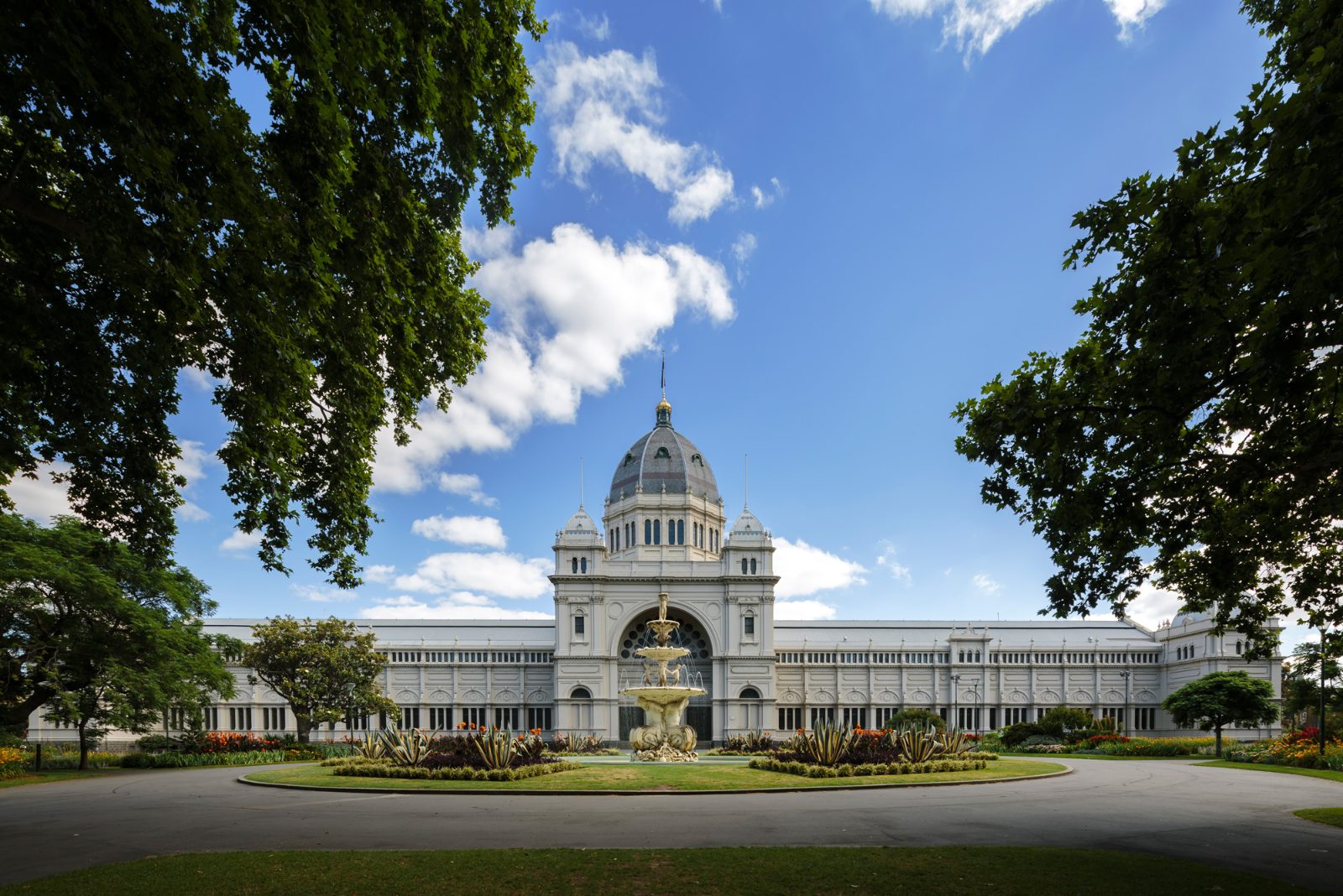
A UNESCO World Heritage-listed 19th-century exhibition hall standing directly opposite the museum within Carlton Gardens. Guided tours run separately from Melbourne Museum Tickets.
Formal Victorian-era gardens surrounding both the museum and the Royal Exhibition Building, with fountains and tree-lined avenues.
A large-format cinema attached to the museum complex, screening documentary and feature films on one of the country's biggest screens.
Melbourne's historic Italian precinct, lined with cafes, restaurants, and gelato shops.
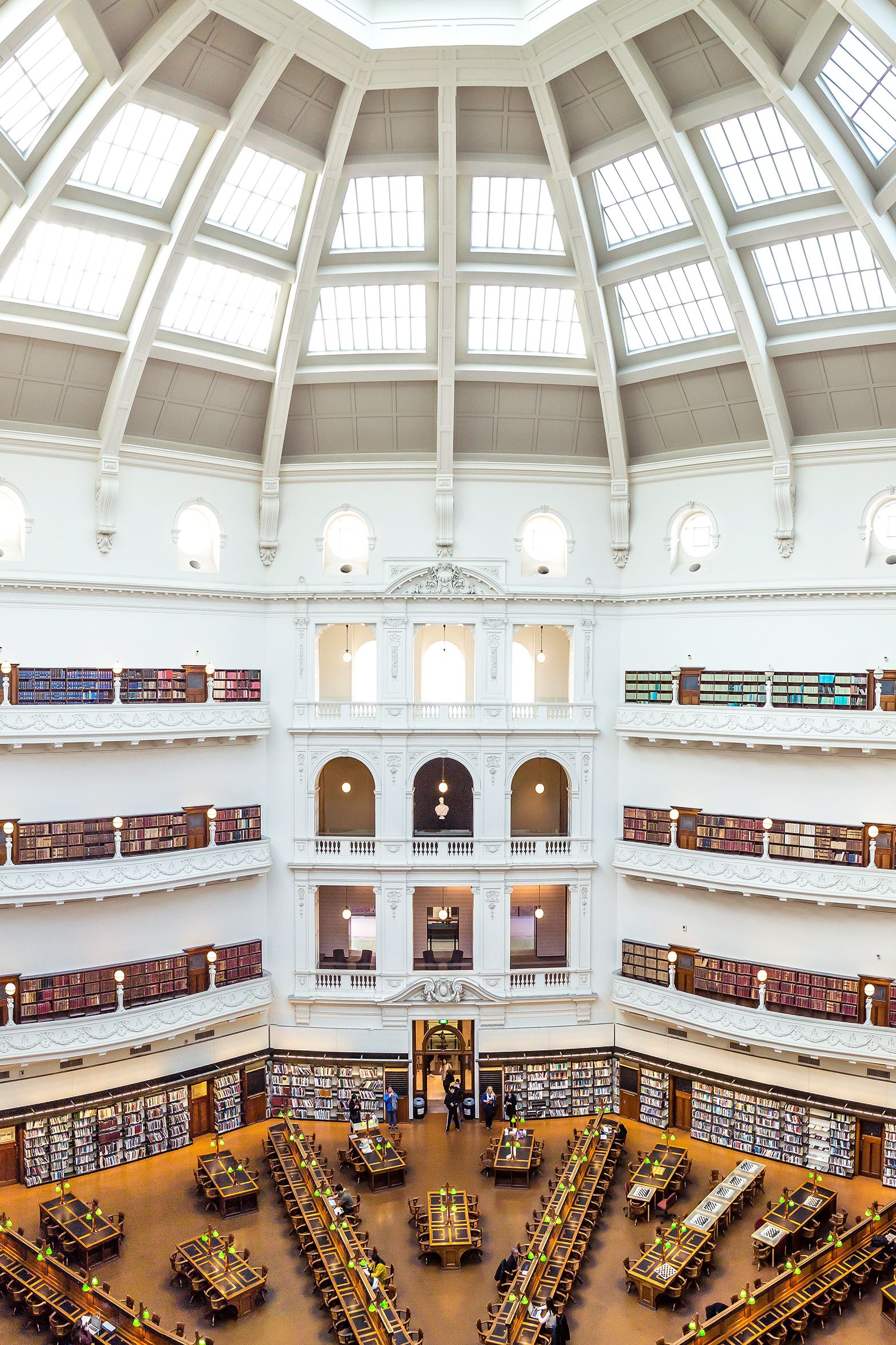
A domed 19th-century library building known for its octagonal reading room, located toward the CBD.
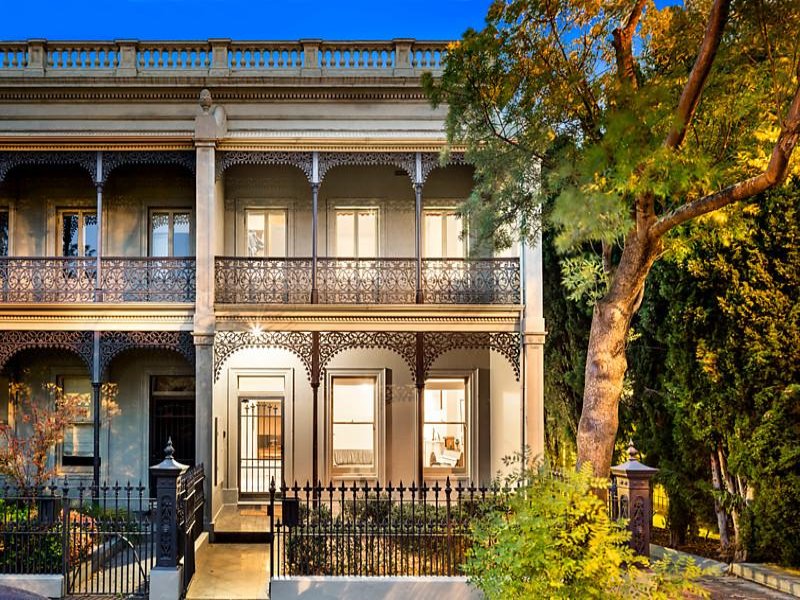
A cluster of mid-range hotels and serviced apartments along Lygon and Faraday Streets, close to both the museum and university precinct.
Melbourne's CBD offers five-star options within a short tram ride of the Nicholson Street entrance.
Independent guesthouses and boutique hotels in the neighbouring Fitzroy arts precinct.
Quieter, lower-cost lodging options near the Fitzroy Gardens and Treasury Gardens.
Join thousands of happy travelers who have discovered this incredible experience
Book Your Experience Now